
SIYSS PARTICIPANTS 2025
BIOLOGY/BIOTECHNOLOGY AND MEDICINE/BIOMEDICINE
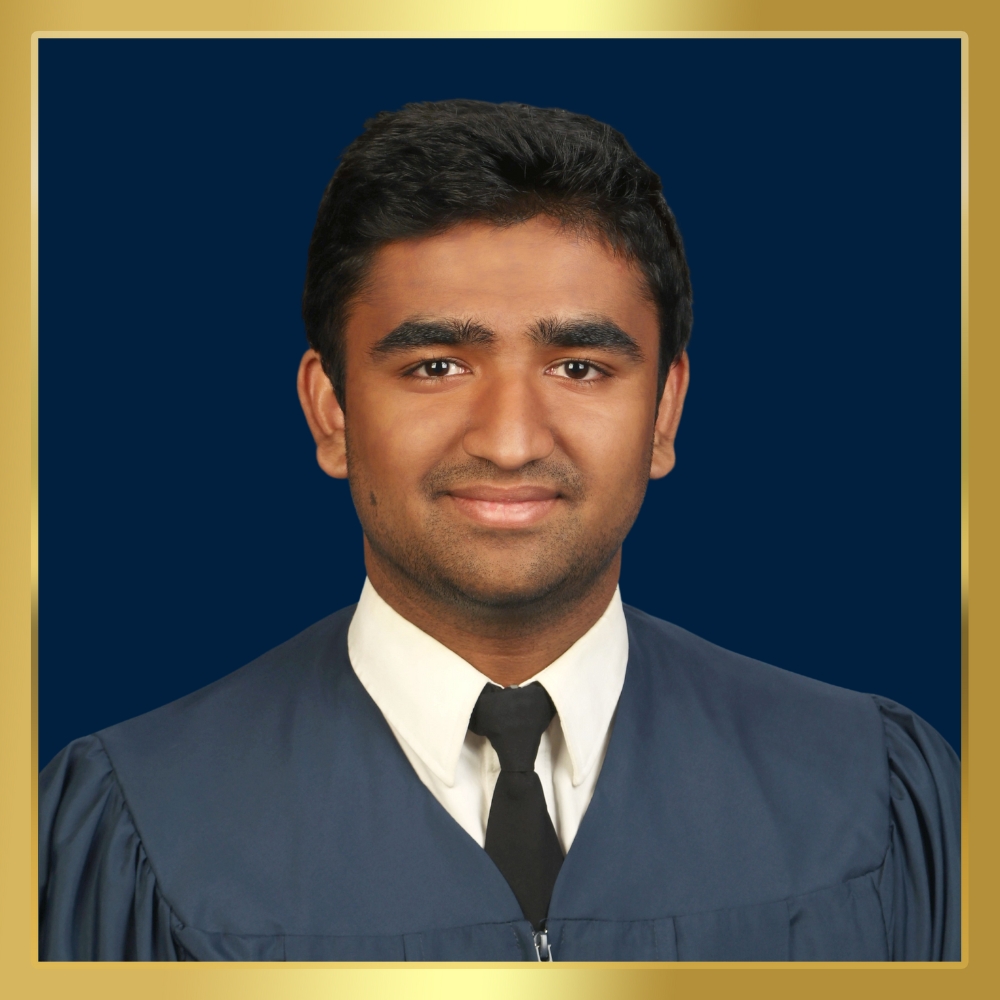
Vrishank Chandrasekhar
Regeneron ISEF, Society for Science & the Public
Vrishank developed a computational framework that uses doctors’ notes—such as radiology reports and discharge summaries—to predict cancer outcomes, enabling earlier, more personalized treatments and improving patient care.
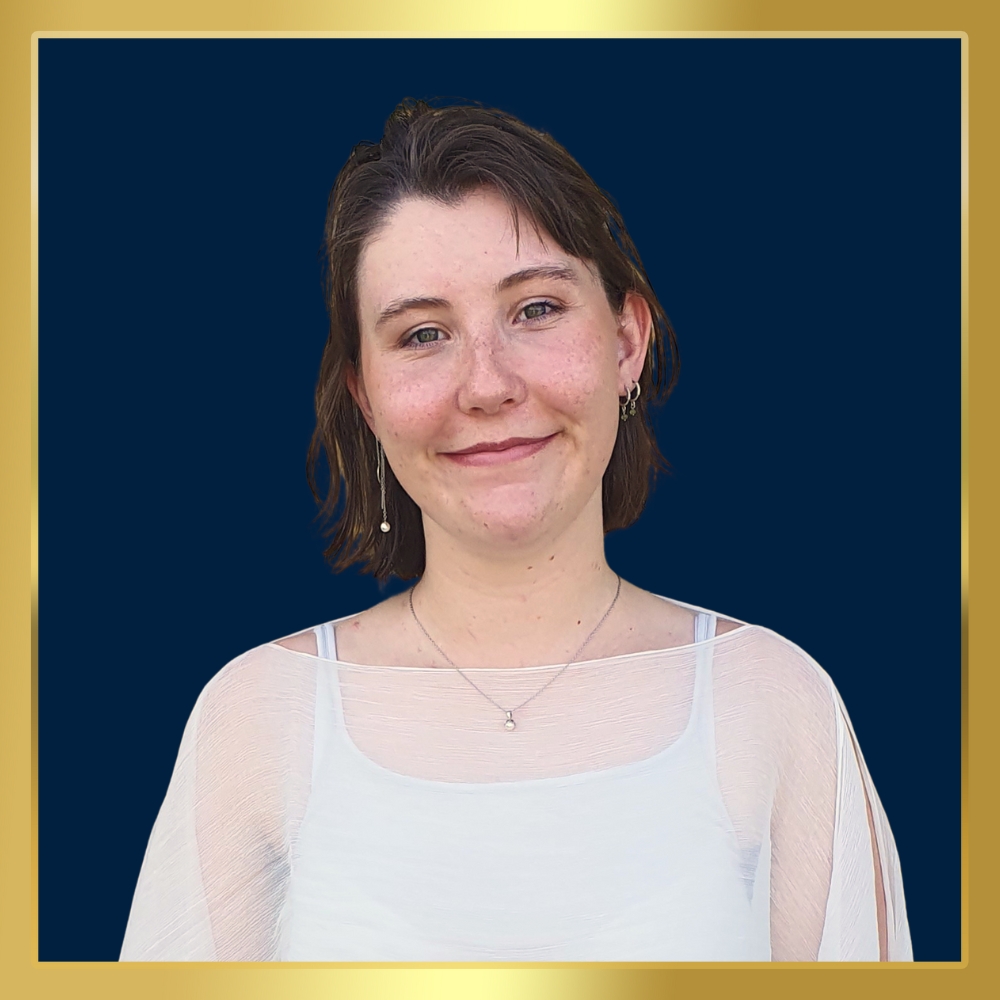
Freja Weiss Nielsen
The Danish Youth Association of Science
Freja’s project explores using nitrogen-fixing legumes, specifically Sainfoin, to reduce fertilizer pollution in Danish seas by studying its symbiosis with Rhizobia bacteria and compatibility with local soils.
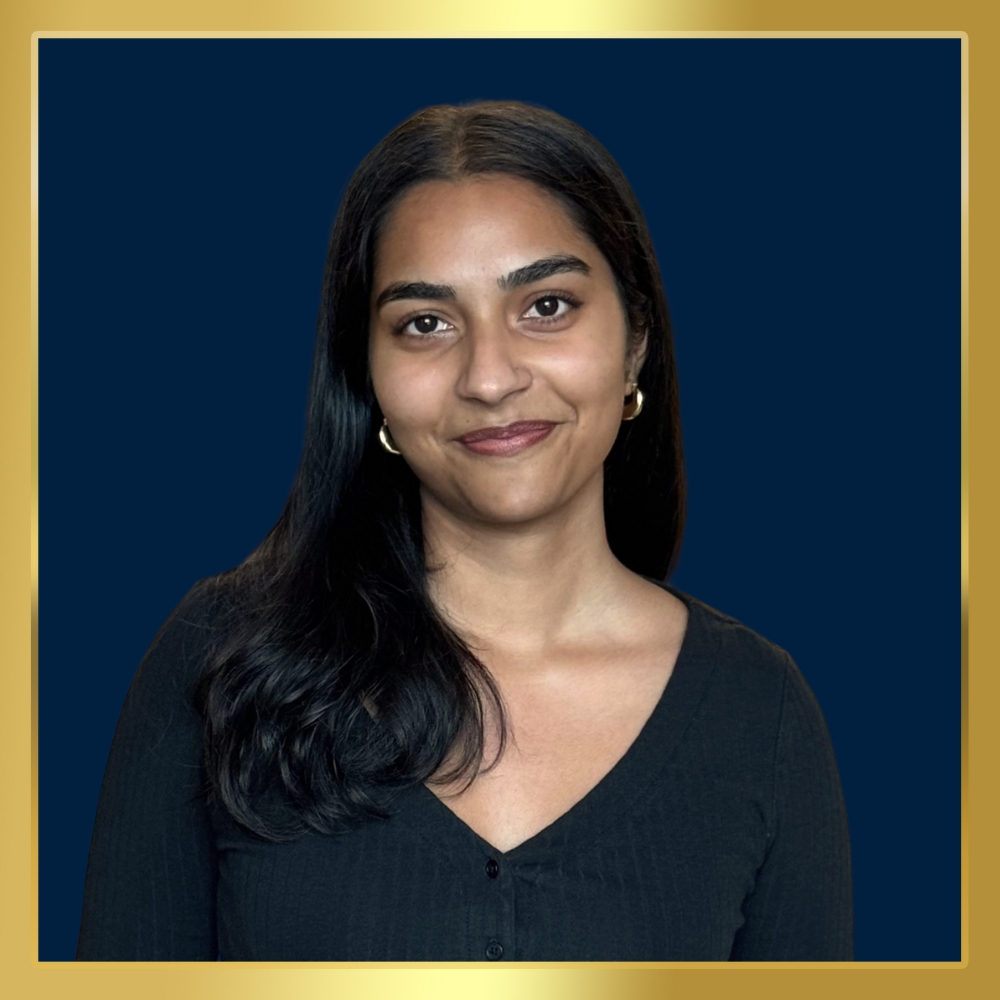
Amal Abdul Aziz
Youth Science Canada
Amal’s project focuses on developing a low-cost, wearable breast ultrasound device that creates 3D images and shows blood flow to help detect and assess breast cancer more effectively, especially in women with dense breast tissue.
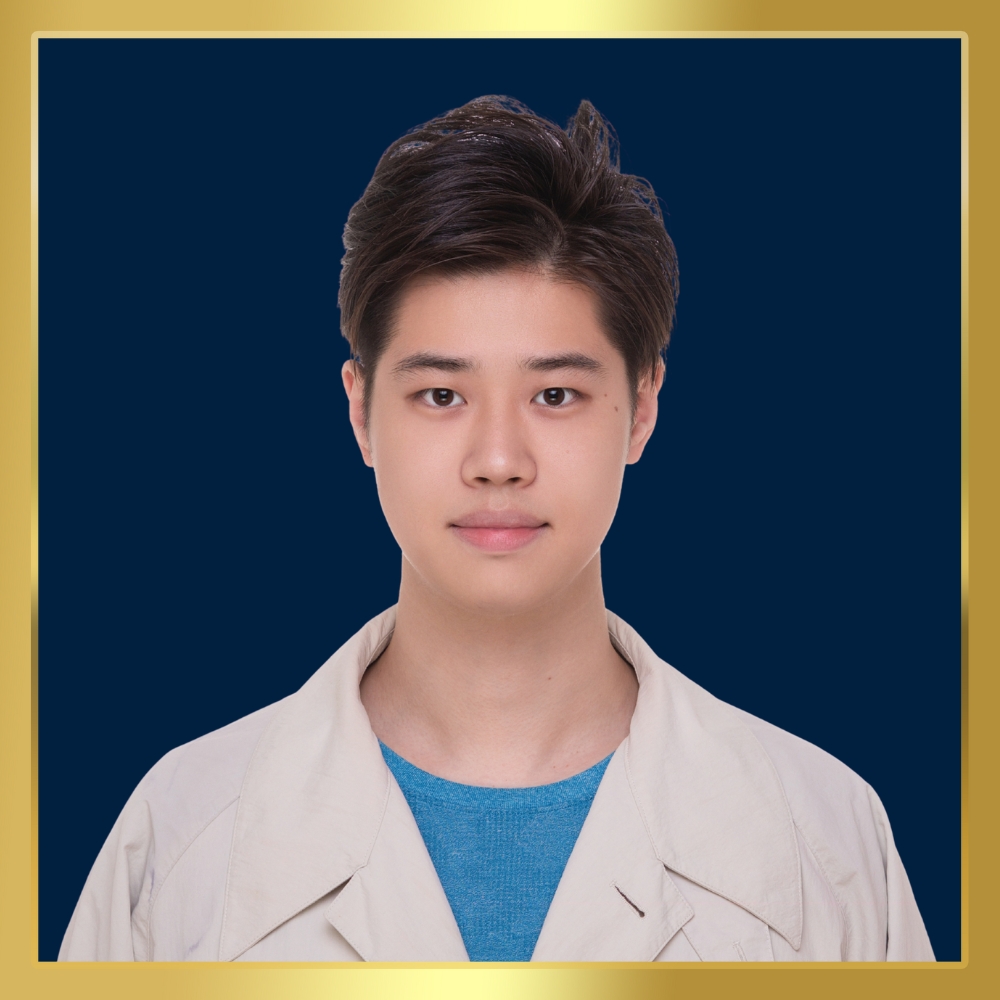
Le Wang
University of Melbourne
Le’s project explores ways to eliminate hidden HIV-infected cells by testing drugs that make them more vulnerable to cell death, bringing research closer to a potential functional cure.
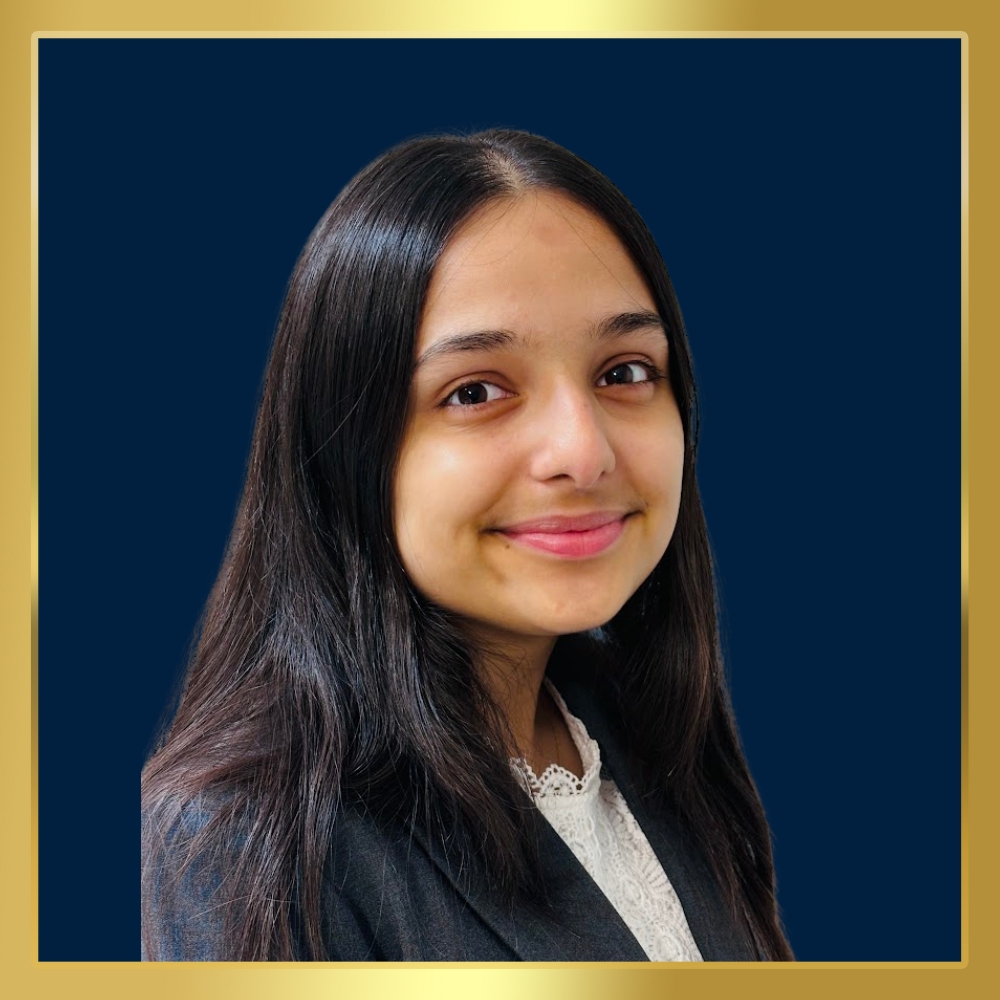
Aarushi Pandey
Regeneron ISEF, Society for Science and the Public
Aarushi’s project studied how Allium fistulosum roots and shoots respond to water, gravity, and magnetic cues under space-like conditions, helping improve farming in space and other controlled environments.
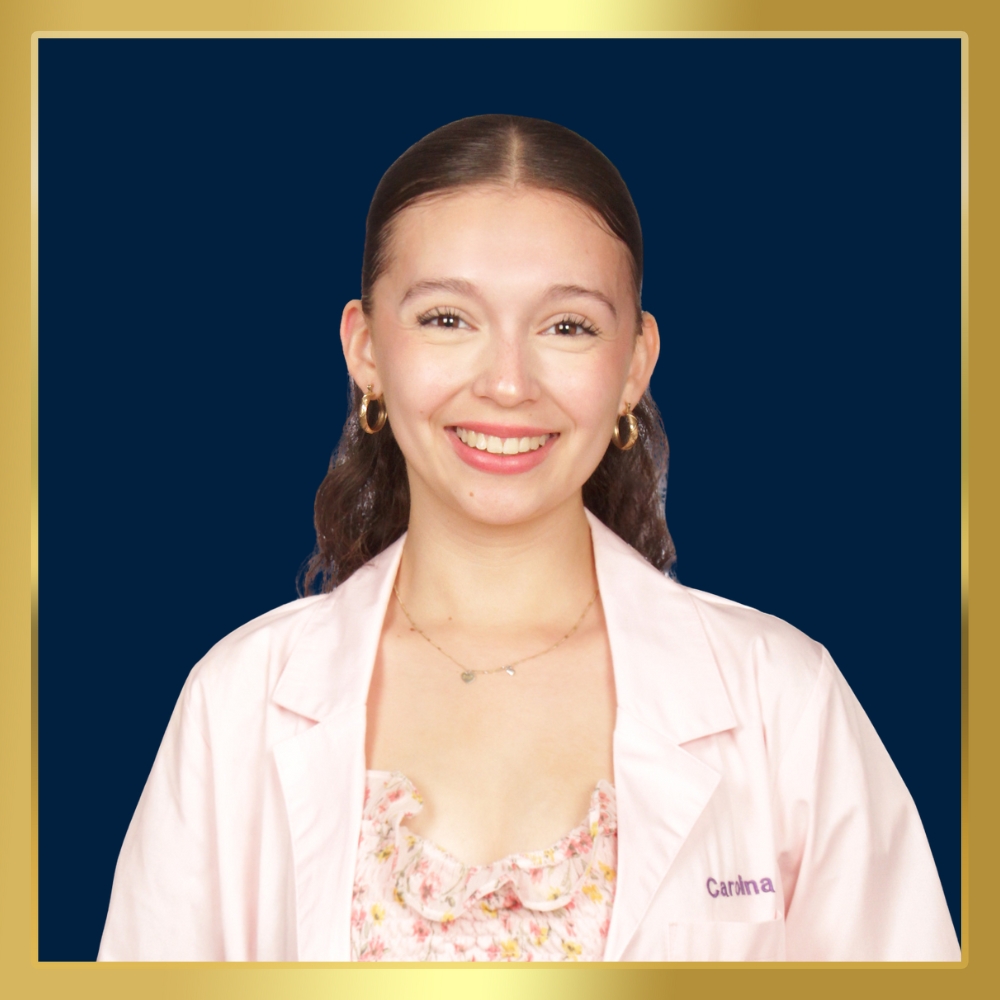
Carolina Arevalo Camacho
National Network of Youth Activities in Science and Technology in Mexico (laREDMex)
Carolina’s project aims to develop a sustainable treatment using a virus called PDCC-1 to fight antibiotic-resistant bacterial diseases in aquaculture, helping marine farming worldwide and promoting phage-based alternatives.

Anna Černá
European Union Contest for Young Scientists (EUCYS)
Anna’s project studies how the protein RECQ4 helps start DNA replication by forming tiny liquid-like droplets with MCM10, revealing insights into genome stability and links to certain disorders and cancer.
CHEMISTRY

Márton Krisztián Hegedűs
Hungarian Association for Innovation
Márton’s project created a light-responsive molecular system called a [2]catenane, where tiny rings can move controllably when exposed to specific wavelengths of light.
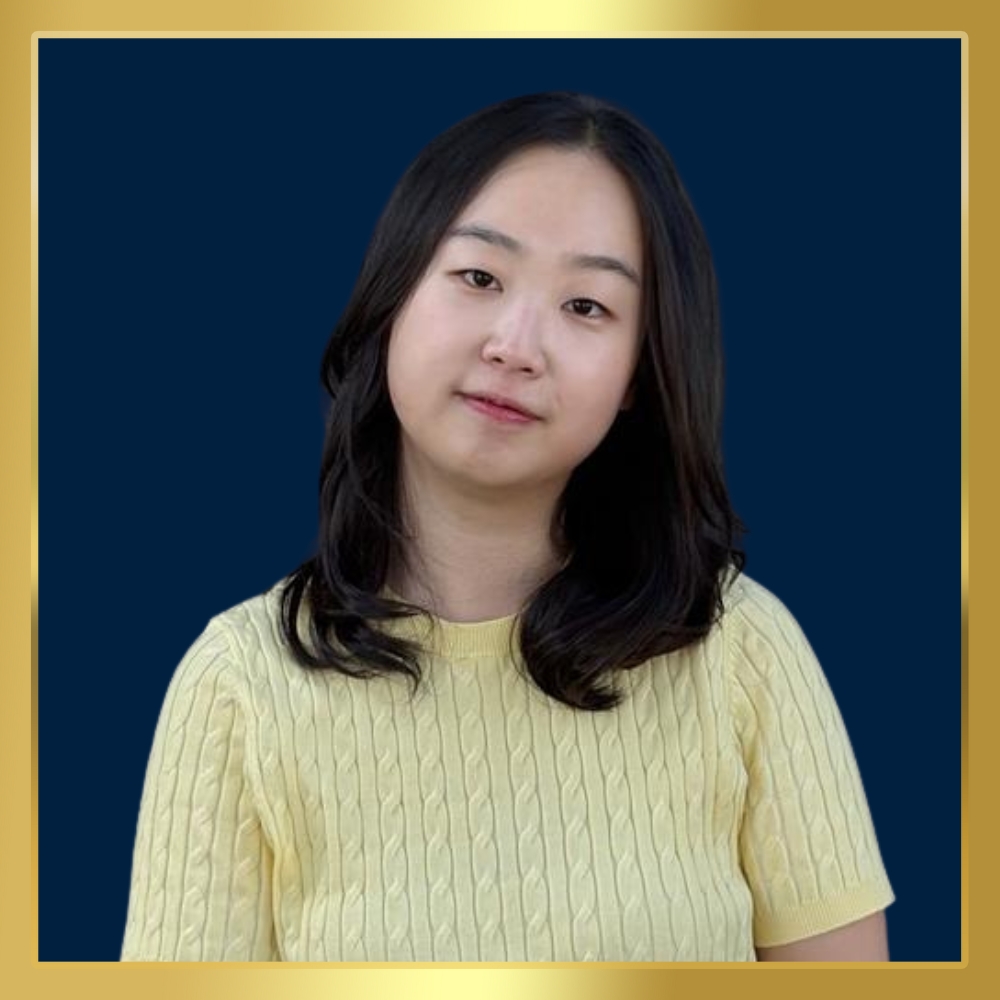
Seong-ah Choi
Korea Advanced Institute of Science and Technology (KAIST)
Seong-ah’s project developed a computational model to efficiently predict how molecules release energy after being excited by light, offering a faster and more practical way to study photochemical reactions.
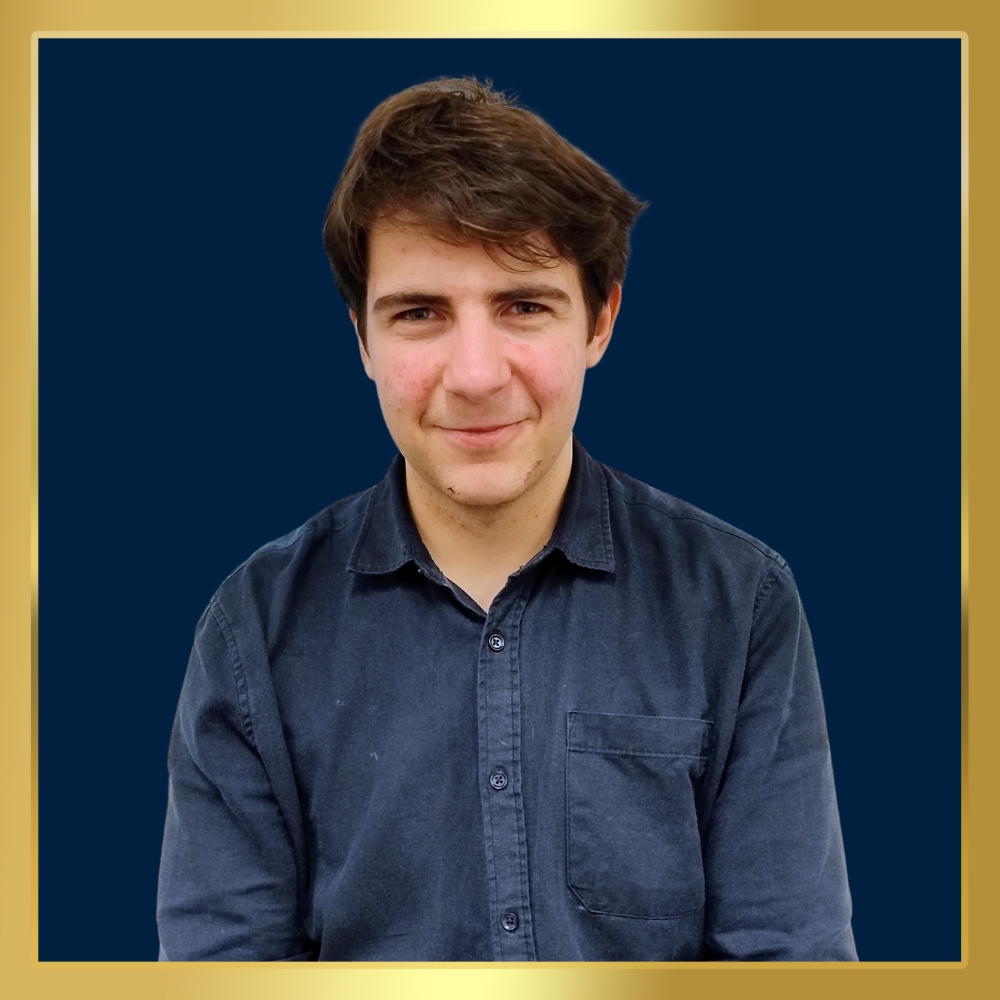
William Smith
The University of Melbourne
William’s project designs and creates fluorescent metal-organic frameworks (MOFs) that change color or brightness when interacting with water or small biological molecules, offering potential for chemical sensing applications.

Julia Marie Trapp
Stiftung Jugend forscht
Julia’s project developed new energy storage molecules based on nicotinamide, a natural compound, and showed they can efficiently charge and discharge, offering a promising path toward organic batteries.
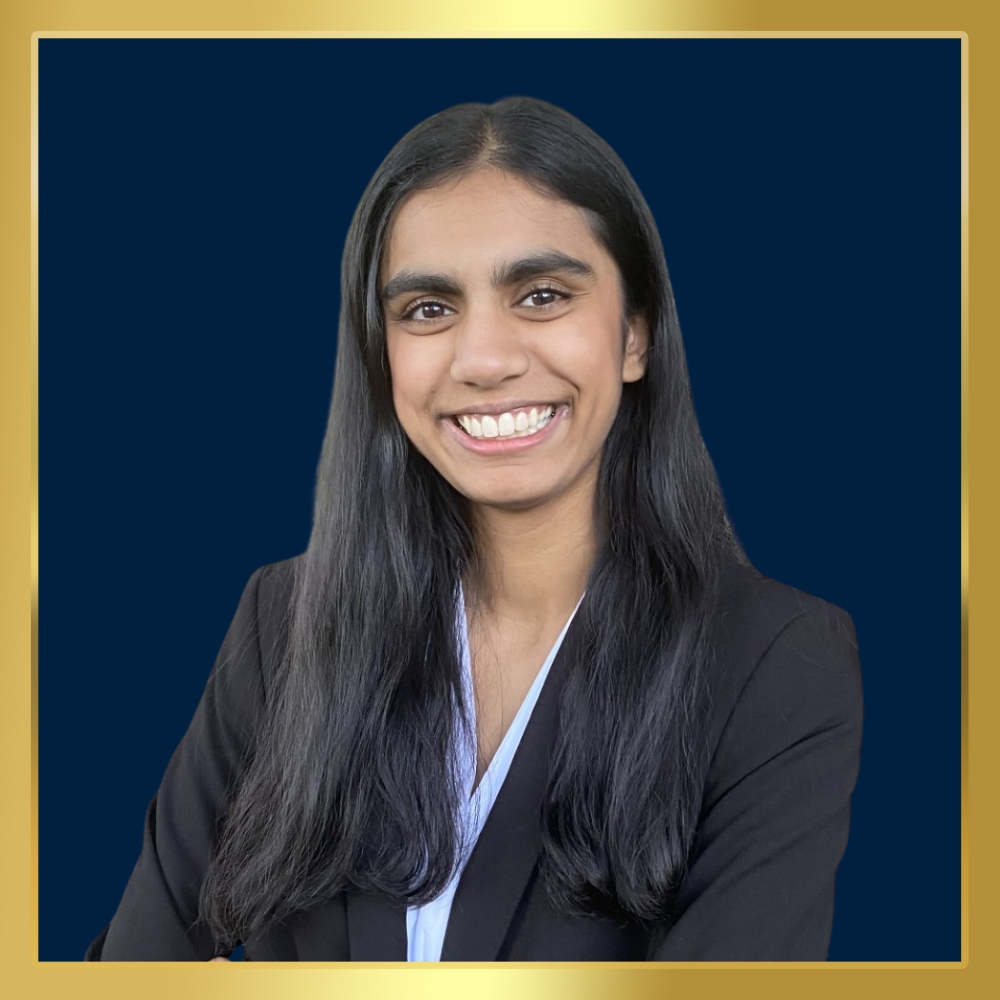
Pragathi Kasani-Akula
Regeneron ISEF, Society for Science and the Public
Pragathi developed a low-cost, non-invasive nanomaterial system using fruit-based carbon dots, magnetic nanoparticles, and RNA molecules to detect exosomes and study aggressive Triple Negative Breast Cancer.
COMPUTER SCIENCE
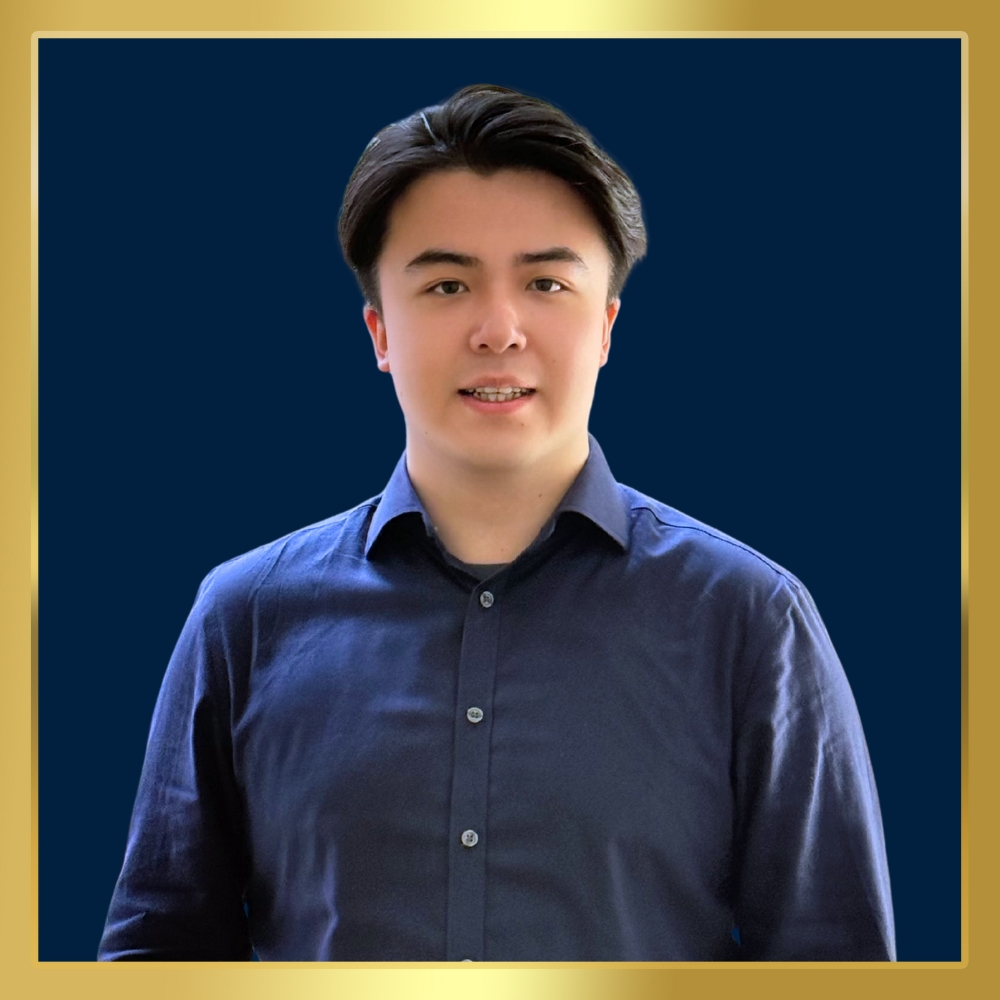
Xiang Li
University of Cambridge
My project explores a new way to improve accuracy and ease of selection in these crowded VR environments. Instead of just pointing in a straight line, we let users “bend” their virtual pointing path like a curve, shaped more like how a real finger moves.
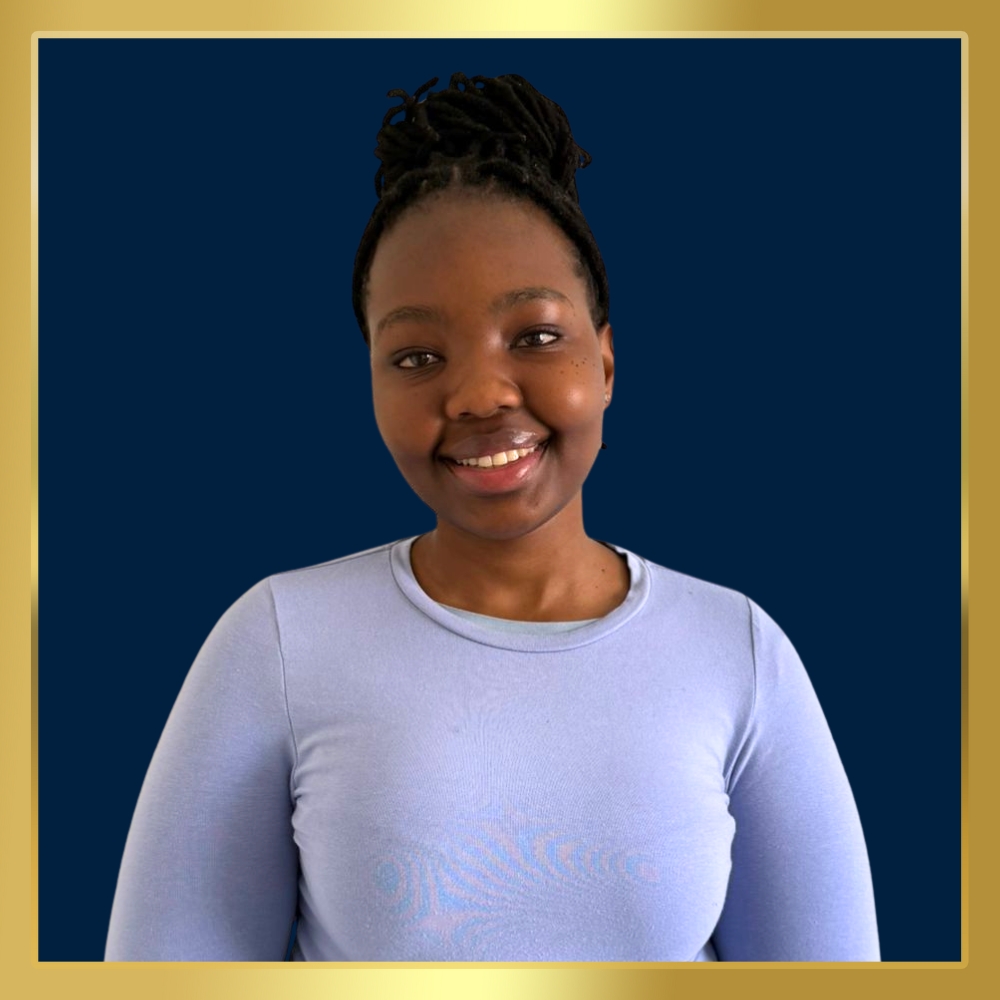
Lethabo Molobi
University of Pretoria
Lethabo’s project studies how well students and educators can distinguish human-written text from AI-generated text, revealing challenges in detecting AI content and raising questions about its role in education.
PHYSICS AND MATHEMATICS
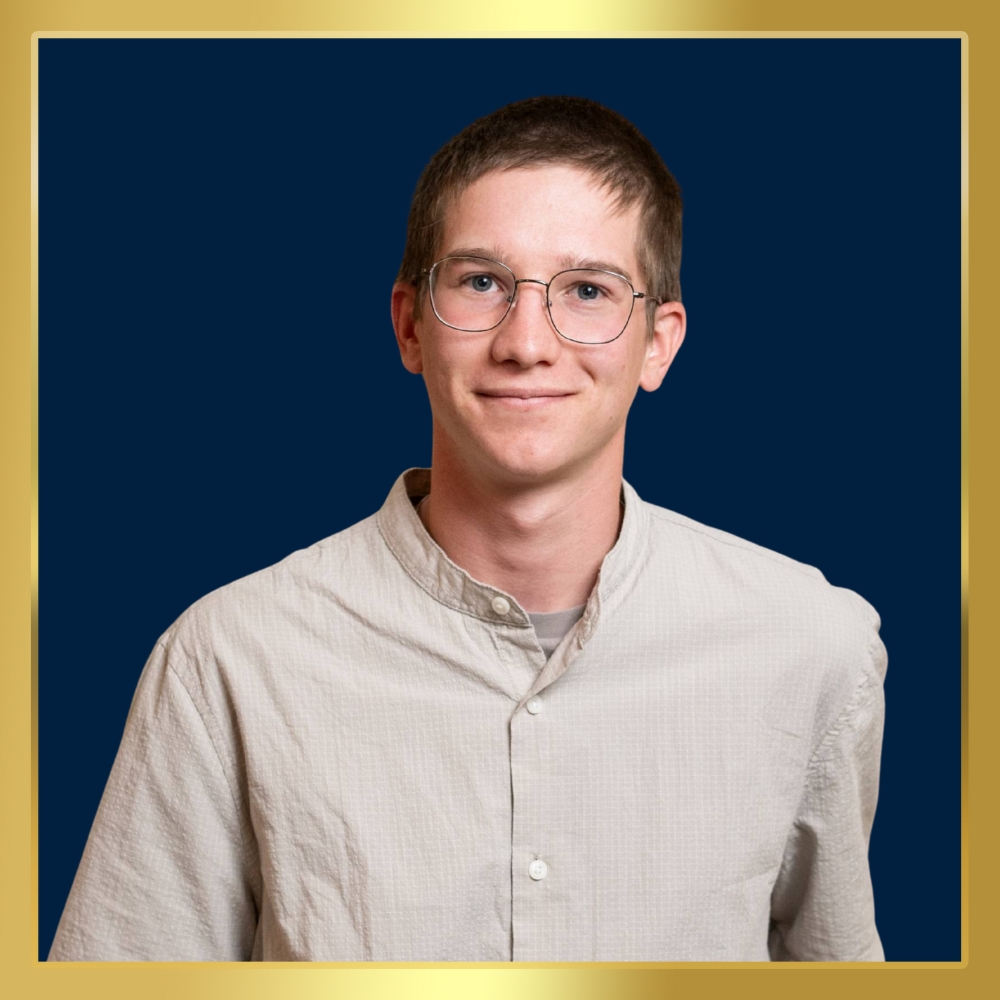
Jacopo Martino Fadini
Schweizer Jugend forscht
Jacopo’s project investigates the foundations of quantum physics by testing Bell’s Theorem and simulating quantum experiments to explore the validity and non-locality of the theory.
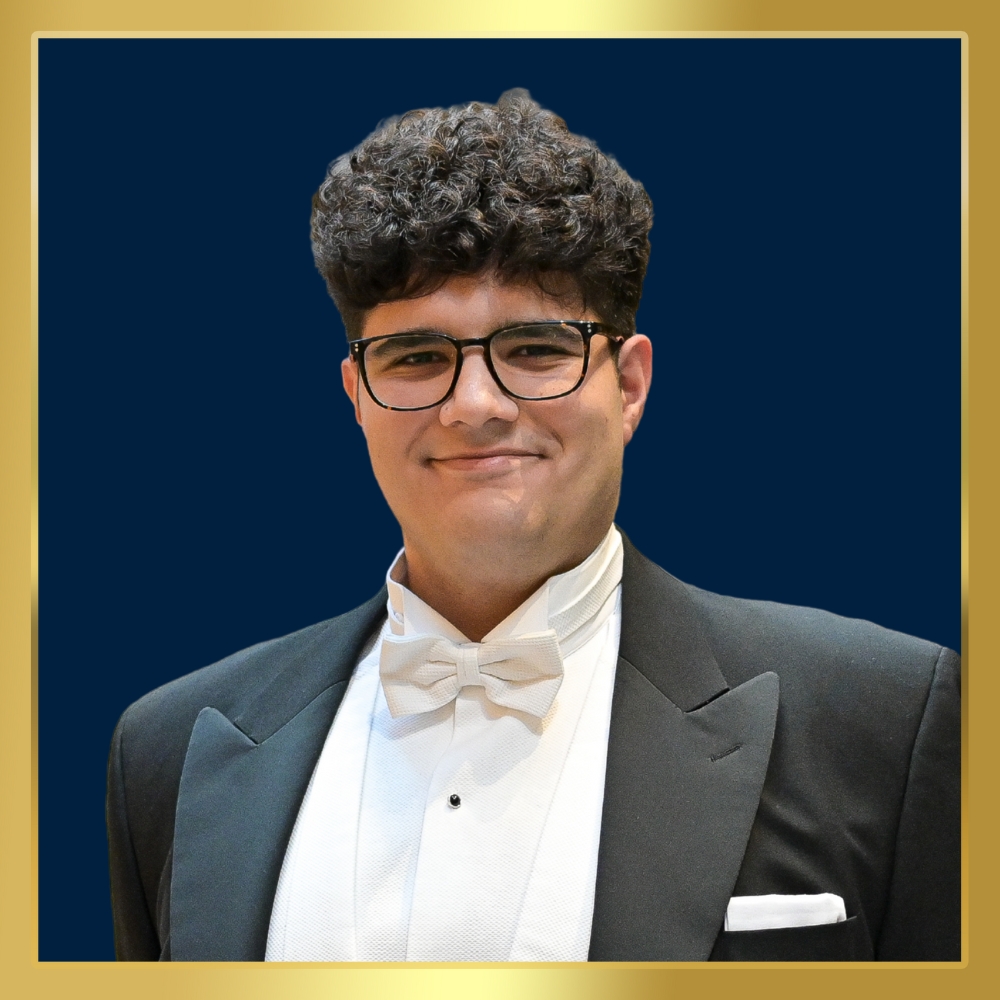
Dani Ghazwan Zuhair
European Union Contest for Young Scientists (EUCYS)
Dani’s project studied skyrmions—tiny magnetic whirlpools with potential for low-energy, high-density data storage—revealing how their behavior changes with depth inside materials, a key insight for future quantum technologies.
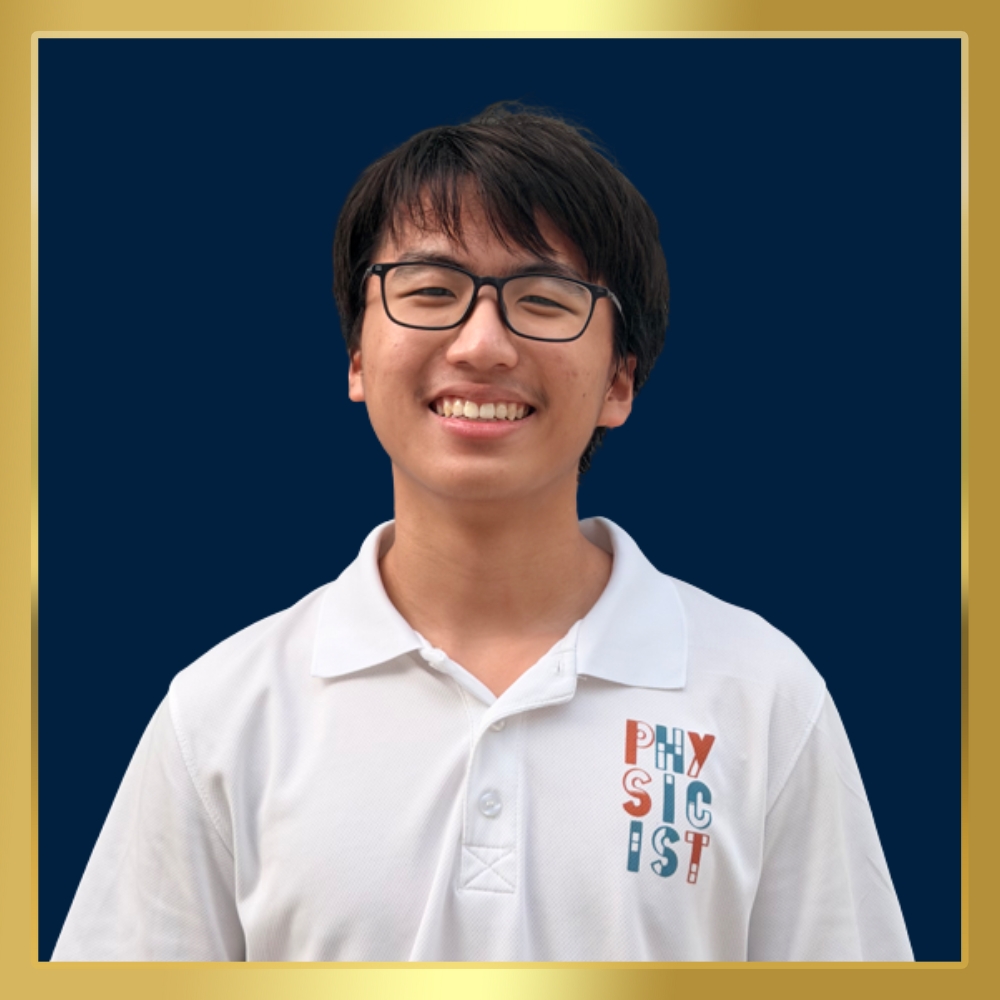
Yunze Wang
World Scientific Publishing Company
Yunze’s project designed and tested a 3D-printed quadruped robot that walks down a ramp using only gravity, studying how its shape affects movement to inspire more efficient, low-energy robotics.
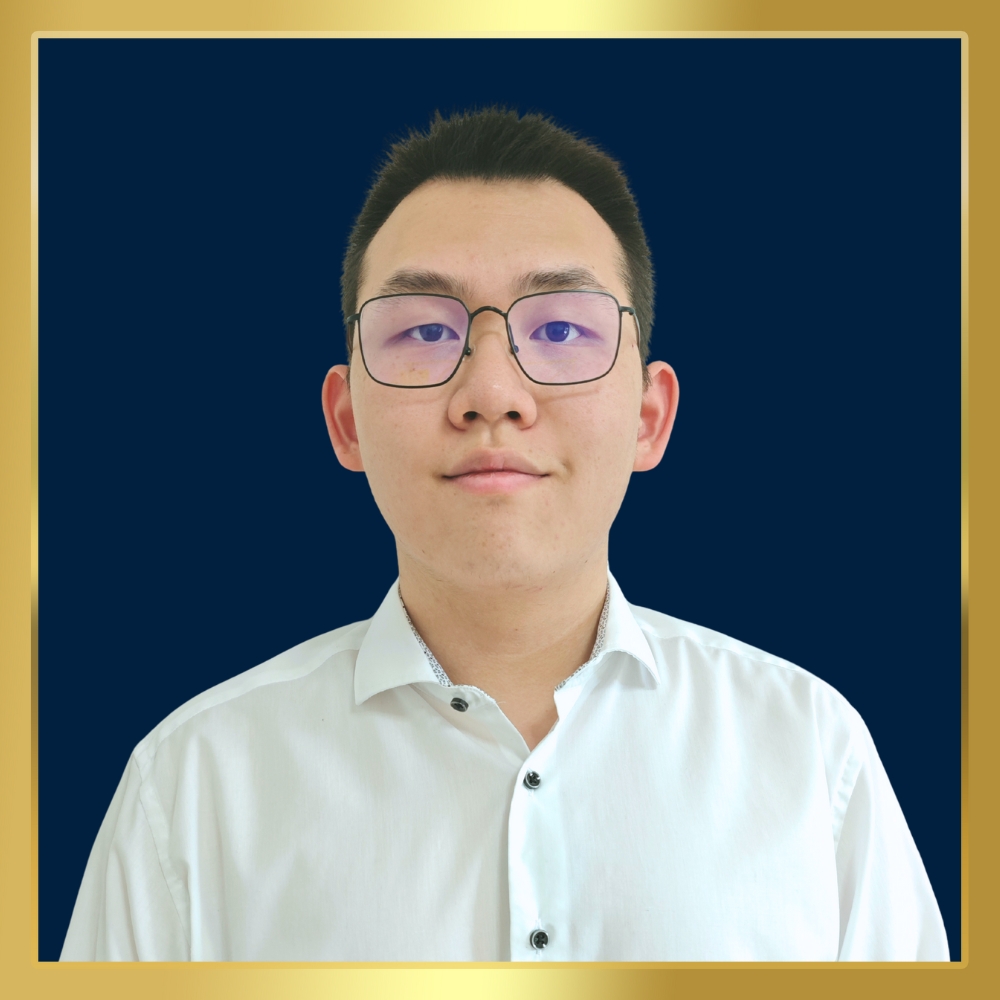
Felix Qingzhou Xu
Schweizer Jugend forscht
Felix’s project explored methods for counting distinct cube colorings, accounting for rotations and color restrictions, to better understand complex combinatorial problems that appear in mathematics and real-world scenarios.