
SIYSS PARTICIPANTS 2026
BIOLOGY
World Scientific Publishing Company
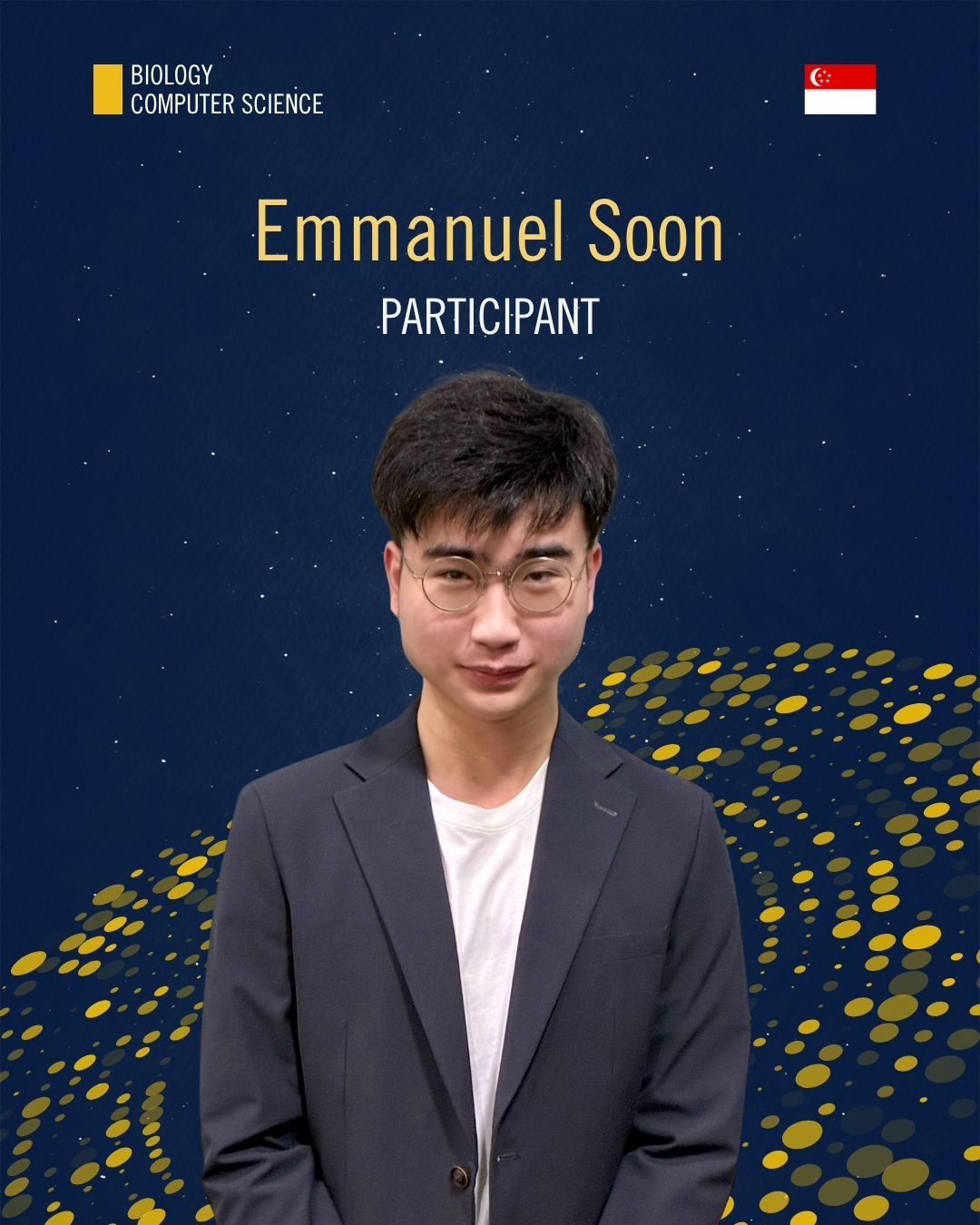
Emmanuel’s project developed a deep-learning model that reads mutations in the tuberculosis bacterium’s genome to predict resistance to pyrazinamide, a key TB drug. By enriching the mutation data and arranging it so nearby mutations stay together, the model reached 94.2% accuracy on unseen samples and highlighted possible new resistance markers.
Luleå Tekniska Universitet
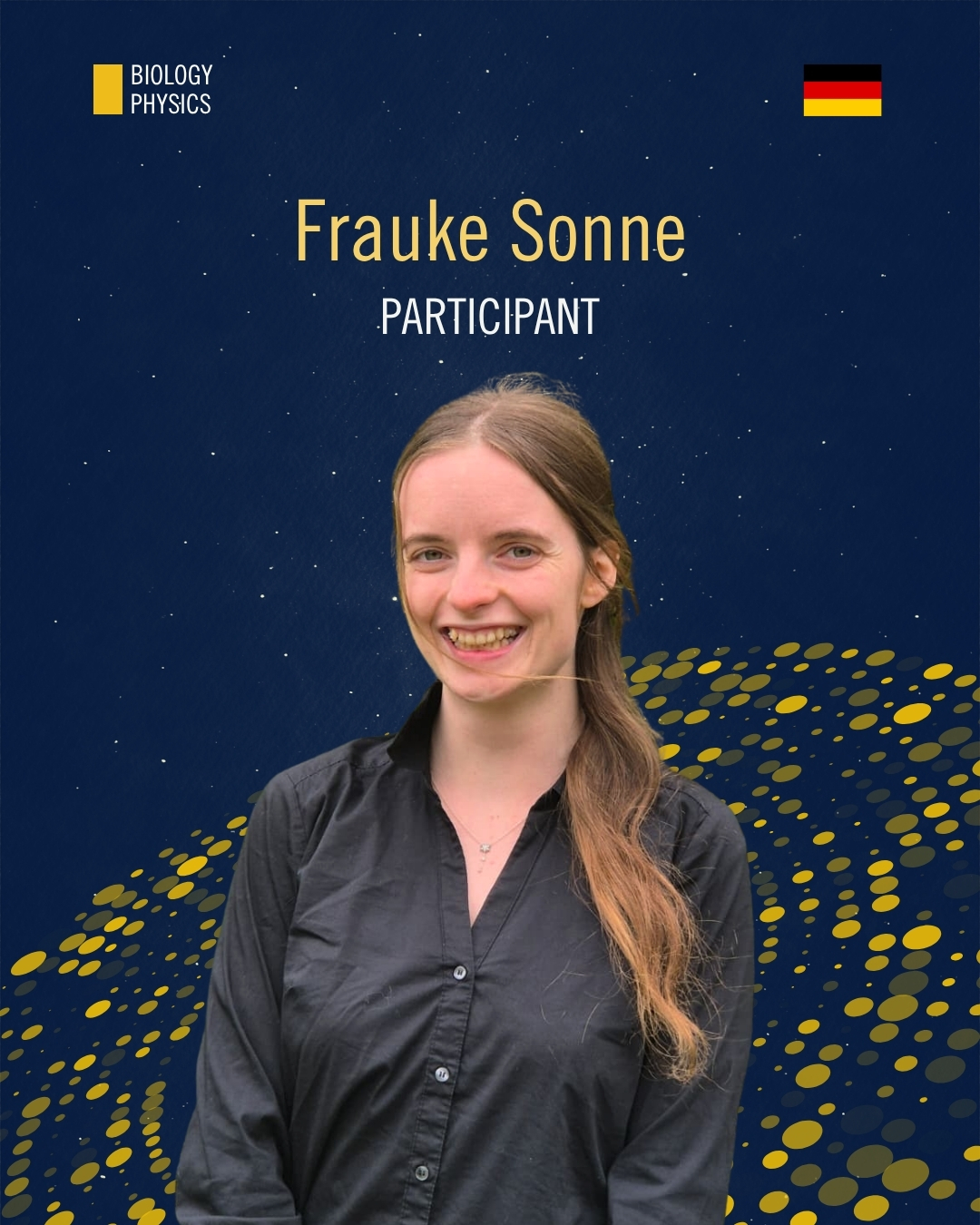
Frauke’s project explores how fluids flow through trees. Taking a biomimetic approach, she abstracted key features of Norway spruce wood into a physical model and studied it with micro-particle imaging, computer simulations and micro-CT scans – contributing to a better understanding of wood wetting, drought resistance and porous materials.
University of Melbourne
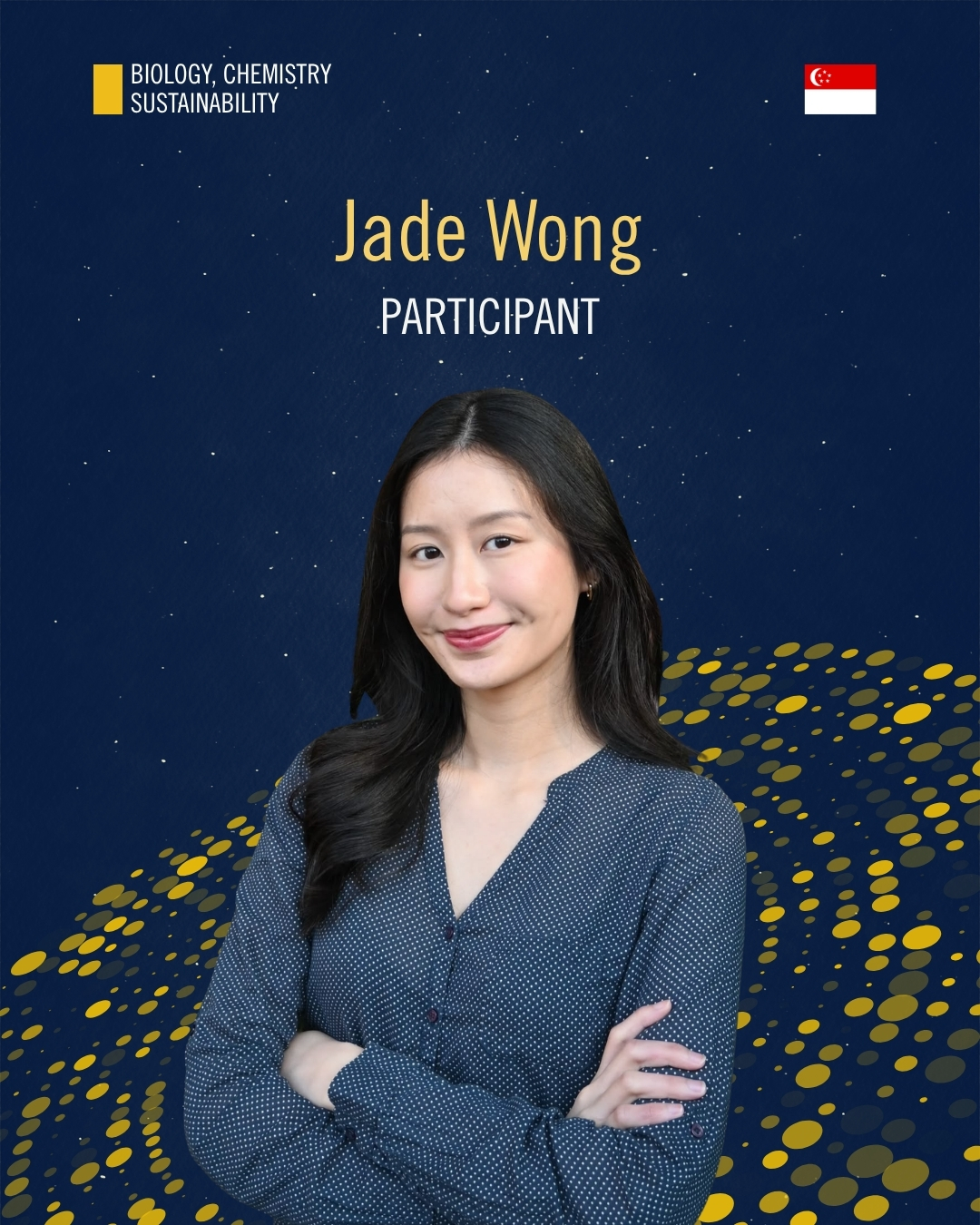
Jade’s project explores how volatile compounds released by soil bacteria help plants grow stronger and cope with drought. Working with lucerne, a key animal feed crop, she investigates how these bacterial signals affect plant genes, soil health and drought resilience and thus laying the groundwork for eco-friendly biofertilisers.
Korea Advanced Institute of Science and Technology (KAIST)
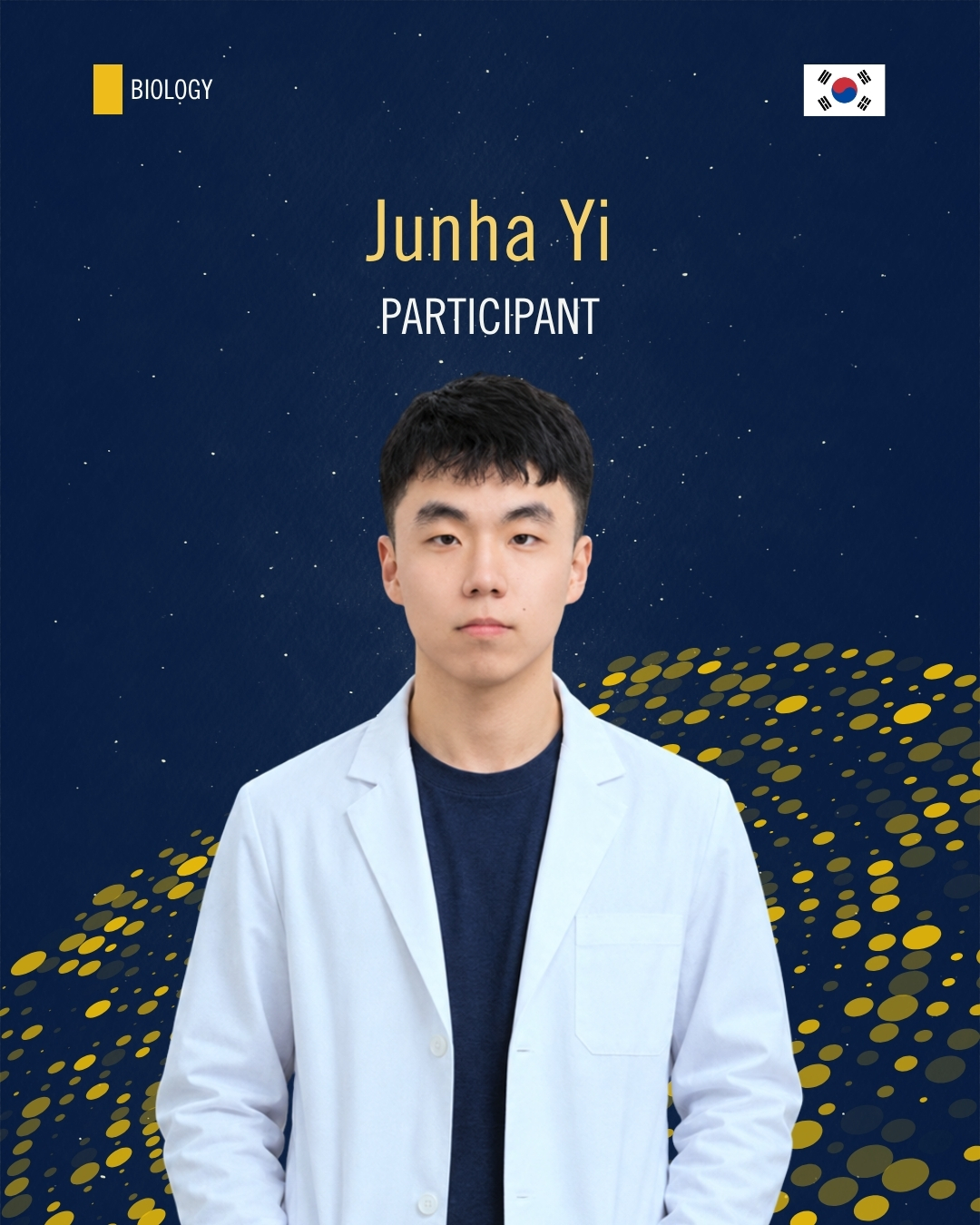
Junha’s project studies muscle regeneration in the African spiny mouse, a mammal known for scar-free repair. Comparing it with laboratory mice, he found that its advantage isn’t simply faster healing: it better maintains regenerative tissue under chronic inflammation, while ordinary mice shift toward degeneration and fat accumulation.
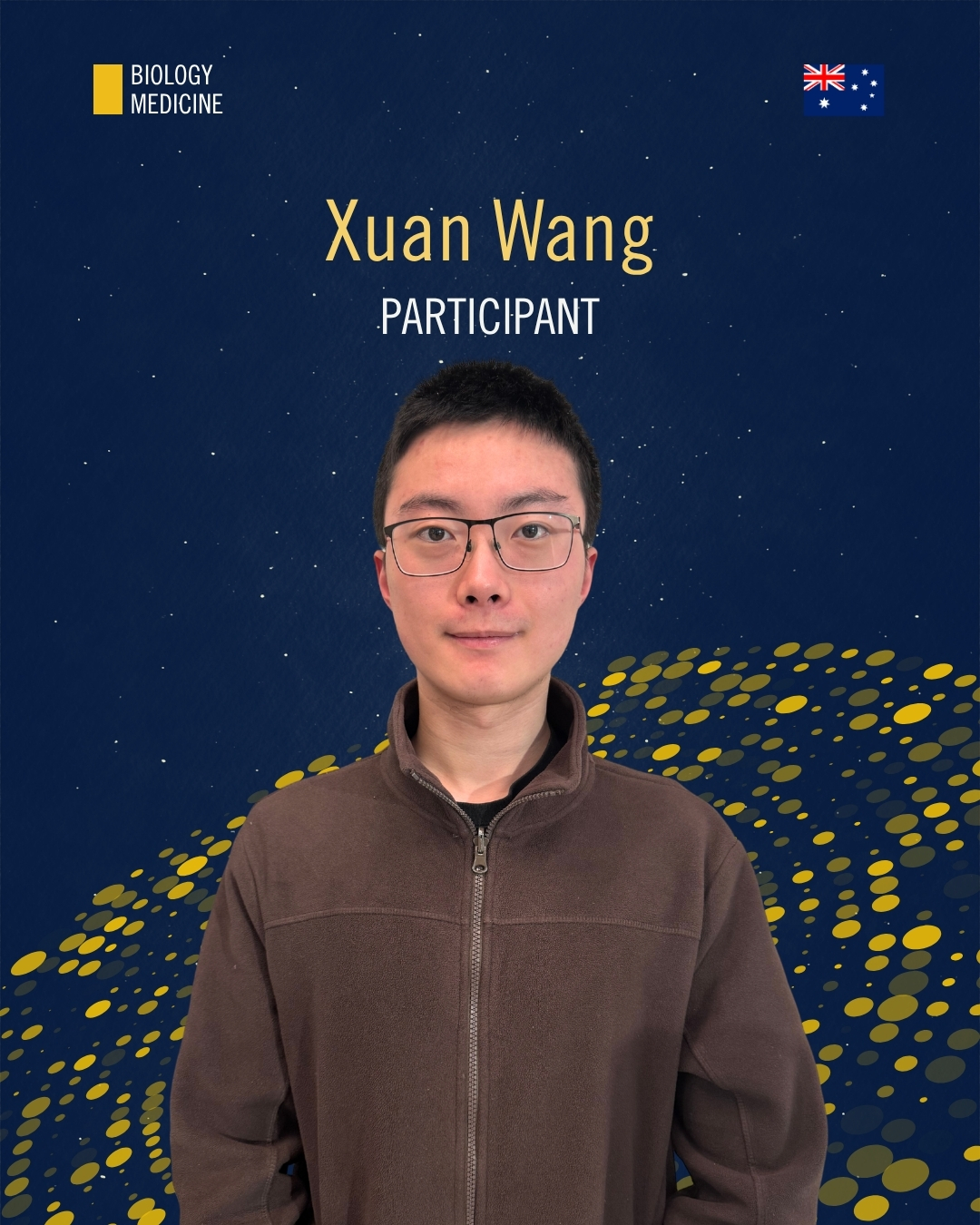
University of Melbourne
Xuan’s project tackles prostate cancer with CAR T-cell therapy, in which a patient’s own immune cells are engineered to recognise tumours. Since prostate tumours contain molecules that suppress these cells, Xuan developed new designs that both recognise the cancer cells and resist this suppression, leading to longer survival in mice.
CHEMISTRY
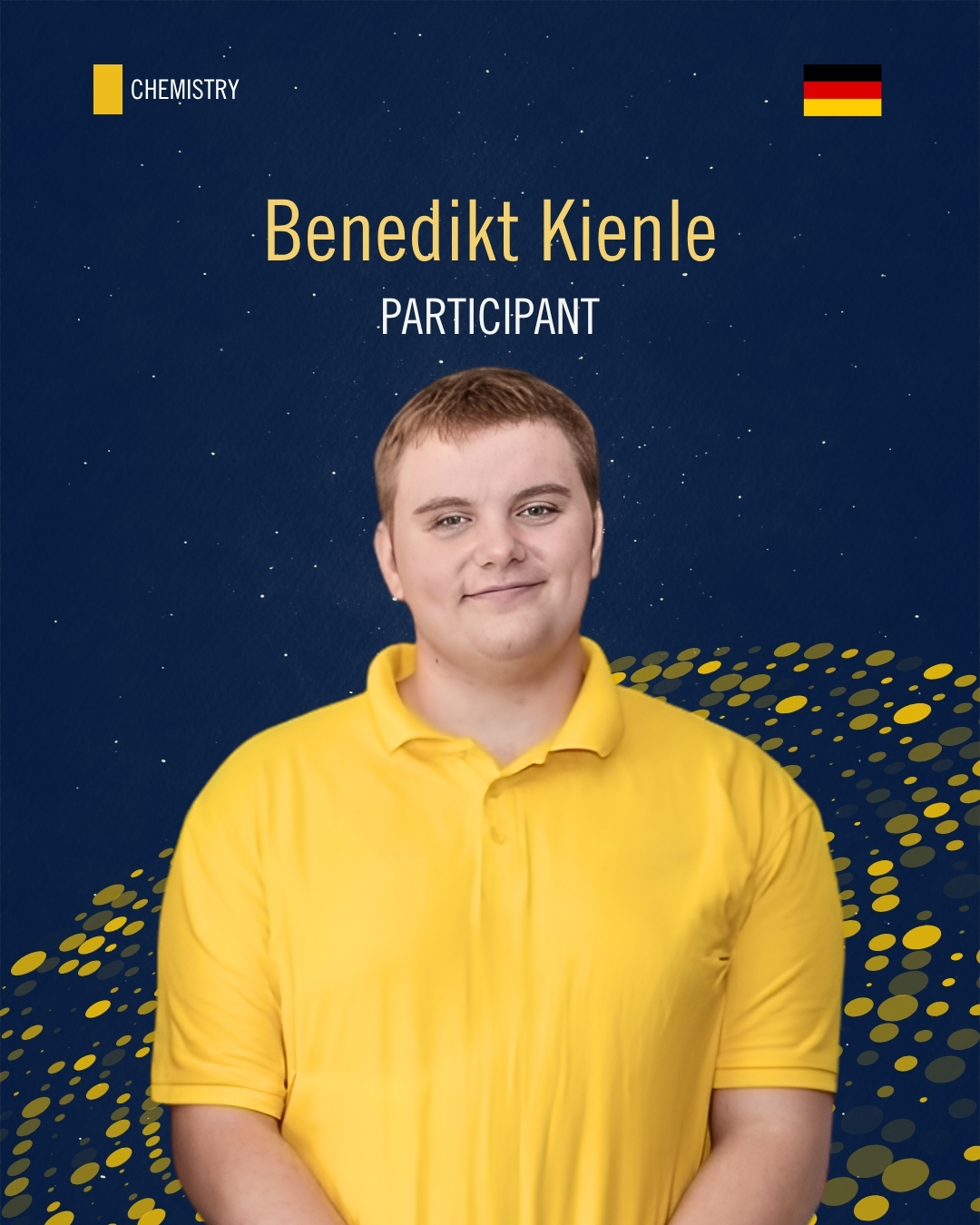
Regeneron ISEF, Society for Science and the Public
Benedikt’s project developed new catalysts for the reduction step needed in producing almost 70% of all life-saving drugs. His compounds replace hazardous hydrogen gas with a liquid donor, and he investigated how smaller ”wingtips” on the stabilising N-heterocyclic carbene ligands affect their catalytic performance.
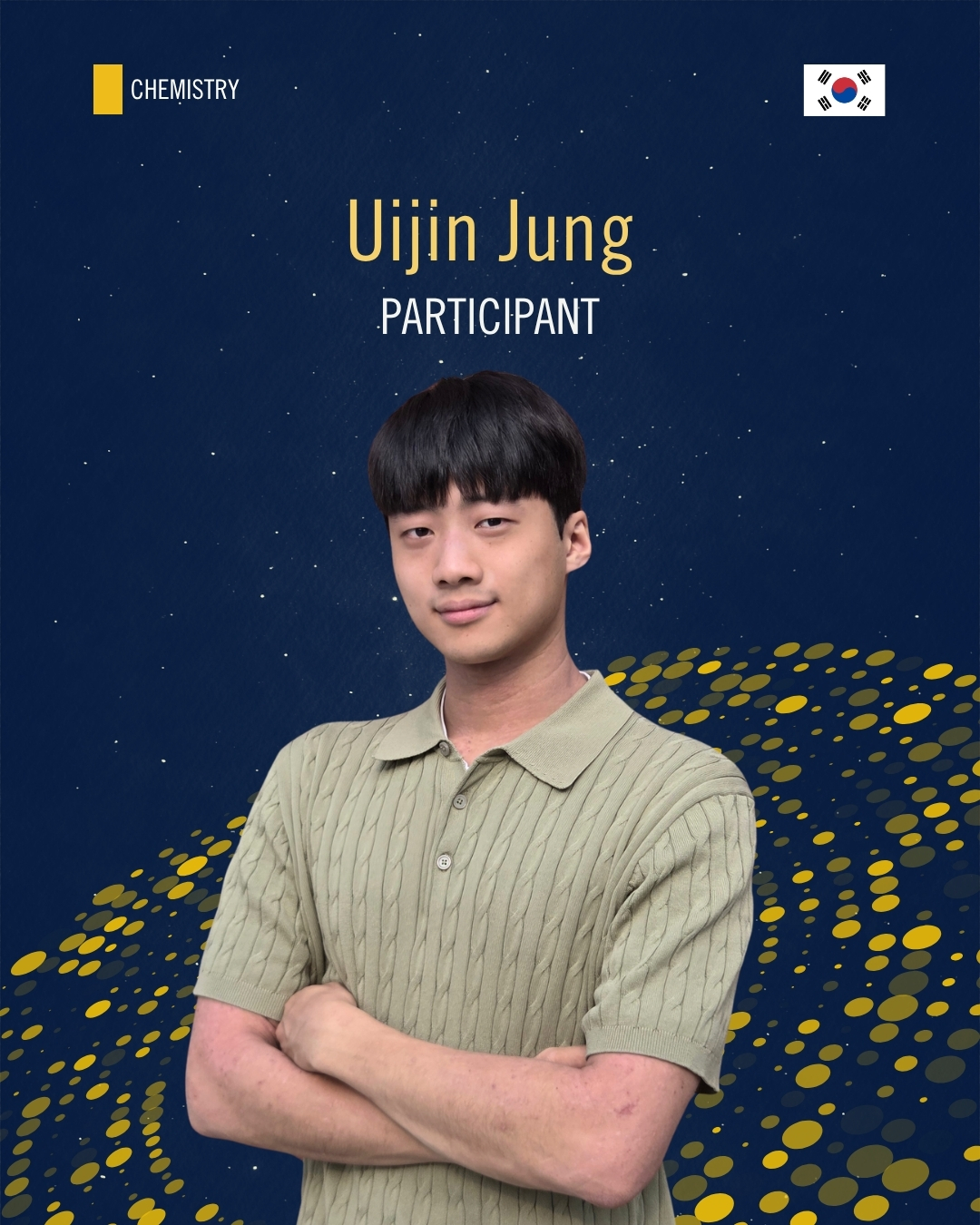
Korea Advanced Institute of Science and Technology (KAIST)
Uijin’s project developed a synthesis recipe for precisely controlling the particle size of ZIF-8, a metal-organic framework, between 20 and 60 nanometres. By varying surfactants, ionic liquids and component ratios, and analysing the size trends theoretically, the work could support the use of nanomaterials in biomedicine, such as drug delivery.
ENGINEERING
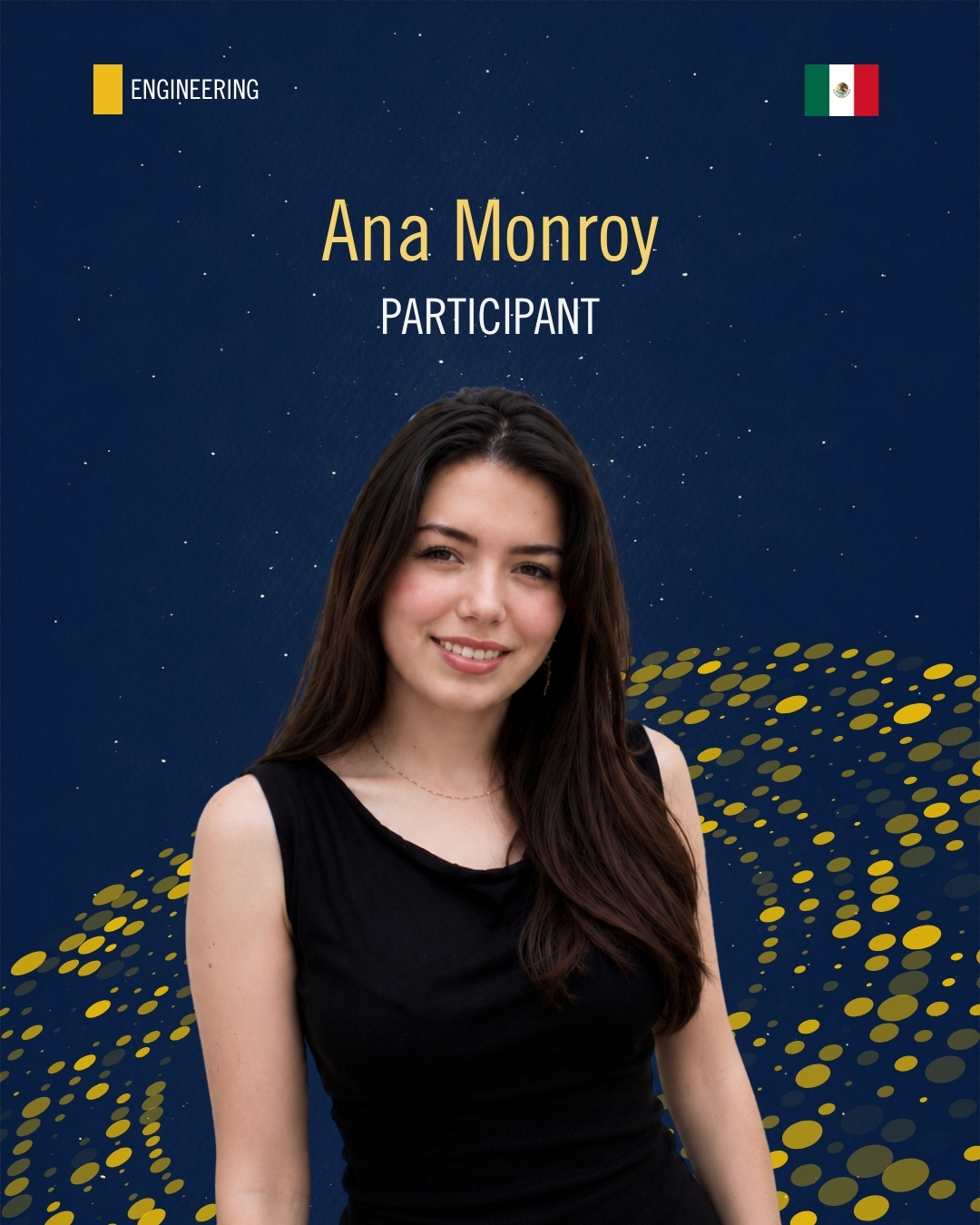
Red Nacional de Actividades Juveniles en Ciencia y Tecnología (LaREDMex)
Ana Fernanda’s project turned peanut shells, an abundant agricultural waste, into a thermal-insulating aggregate for construction plaster. The material improves thermal performance and fire resistance and reduces water absorption while keeping adequate strength, offering a more sustainable path to cooler homes.
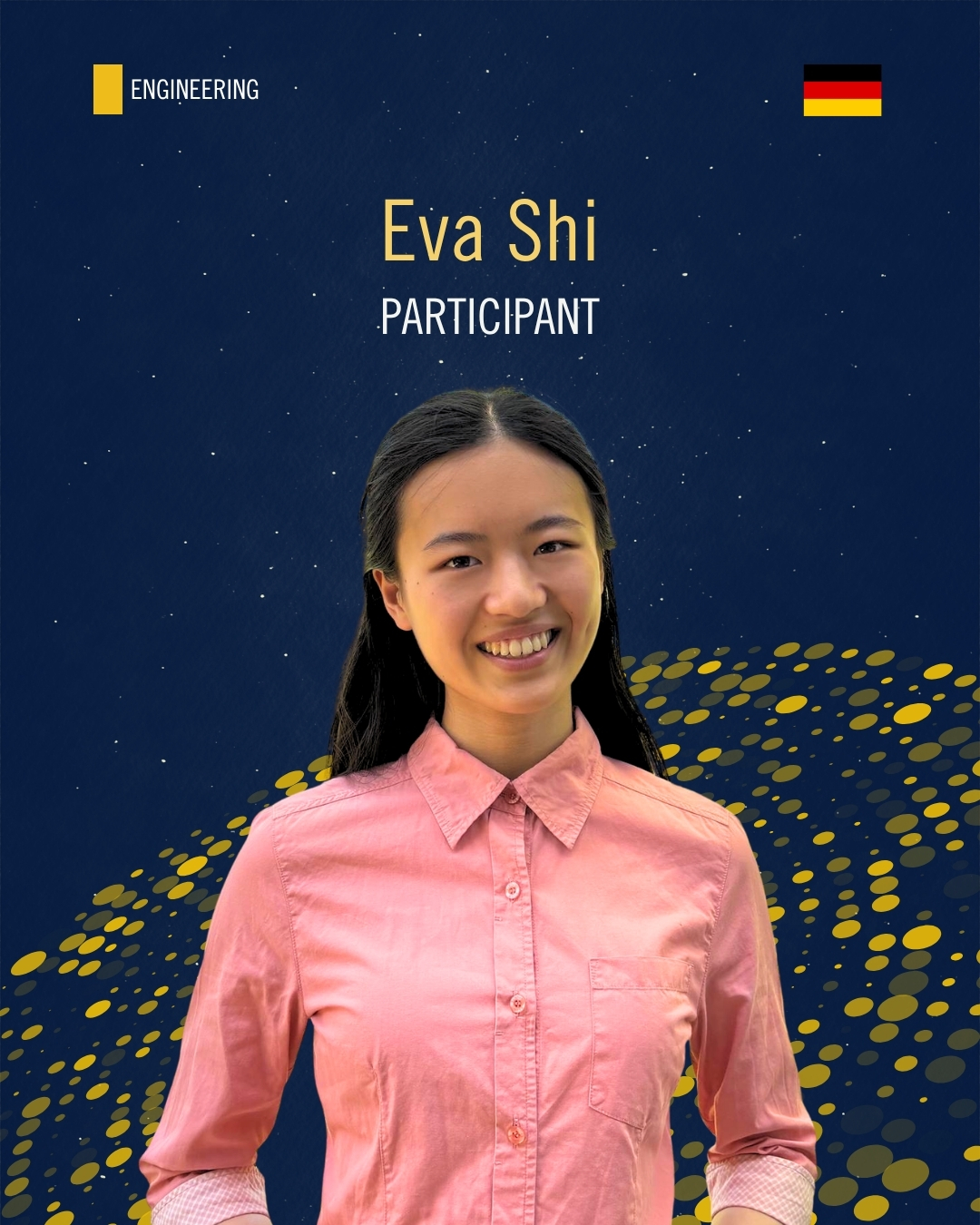
Stiftung Jugend forscht
Eva’s project developed a system that moves a small magnet without touching it, using electromagnets, a camera and intelligent feedback control. With an accuracy of about ±1 mm, the prototype is a first step toward steering tiny medical robots through the body using magnetic fields.
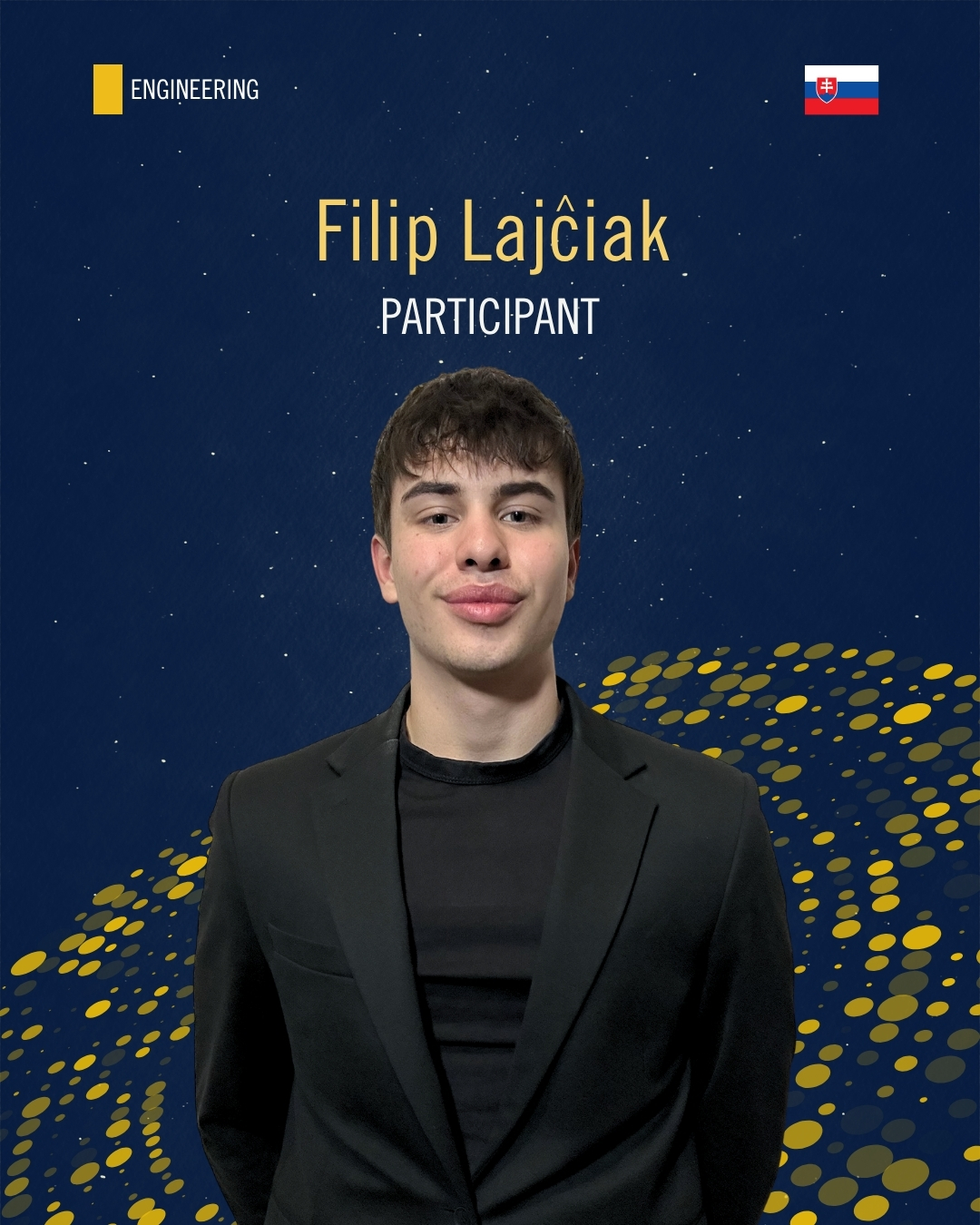
Regeneron ISEF, Society for Science and the Public
Filip’s project is a stereo vision 3D scanning system for very small objects. Using two cameras and a rotating mechanism, it builds detailed 3D models from multiple angles, with one version for the laboratory and one for robotic arms in industry. All this at around a fiftieth of the cost of current laser microscope systems.
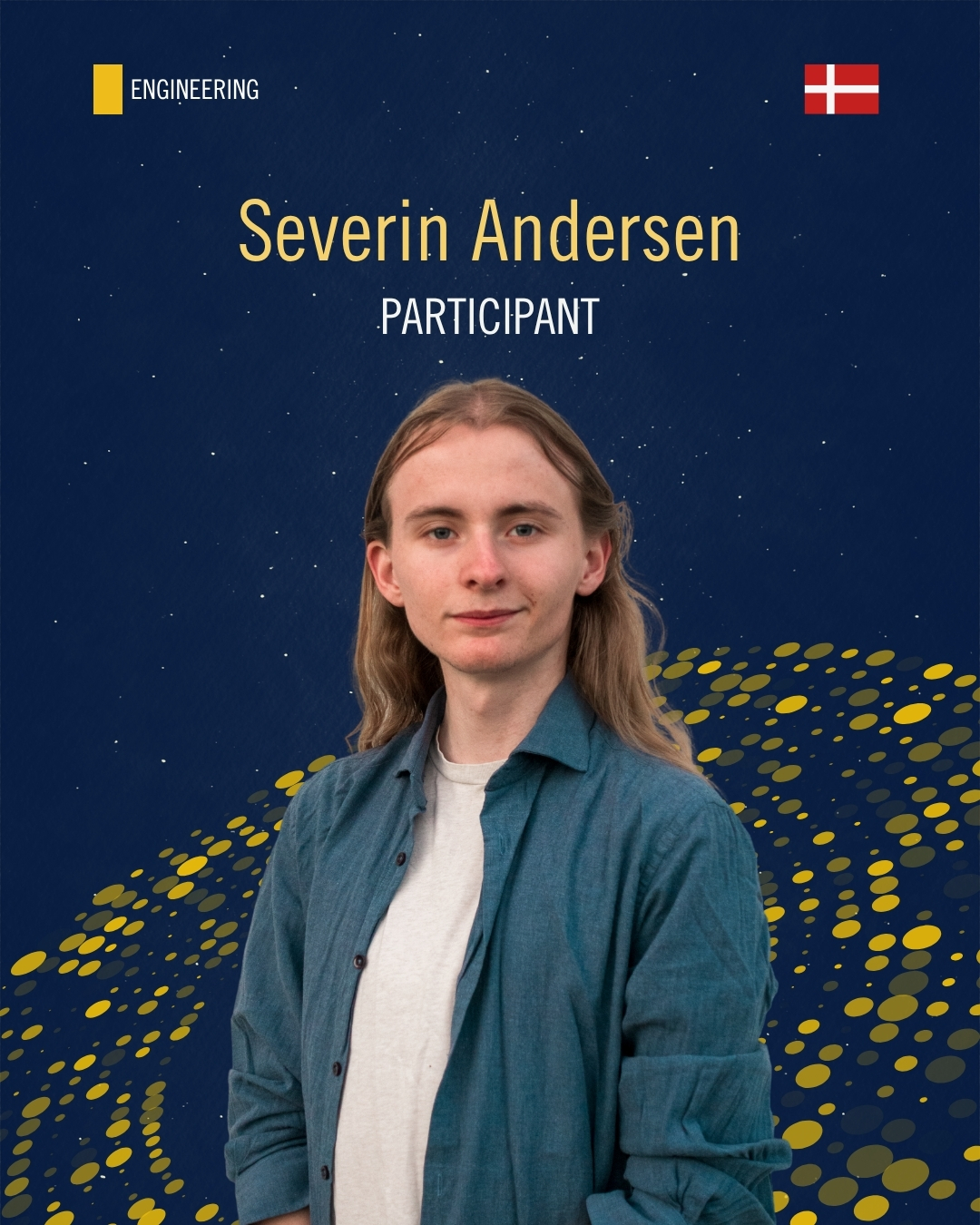
Ungdommens Naturvidenskabelige Forening (UNF)
Severin’s project aims to protect birds from collisions with wind turbines, power lines and glass buildings – which kill up to two million birds a year in Denmark – using only sound. With four microphones and a computer, his system pinpoints an approaching bird from its own calls, without expensive radar or cameras.
MEDICINE
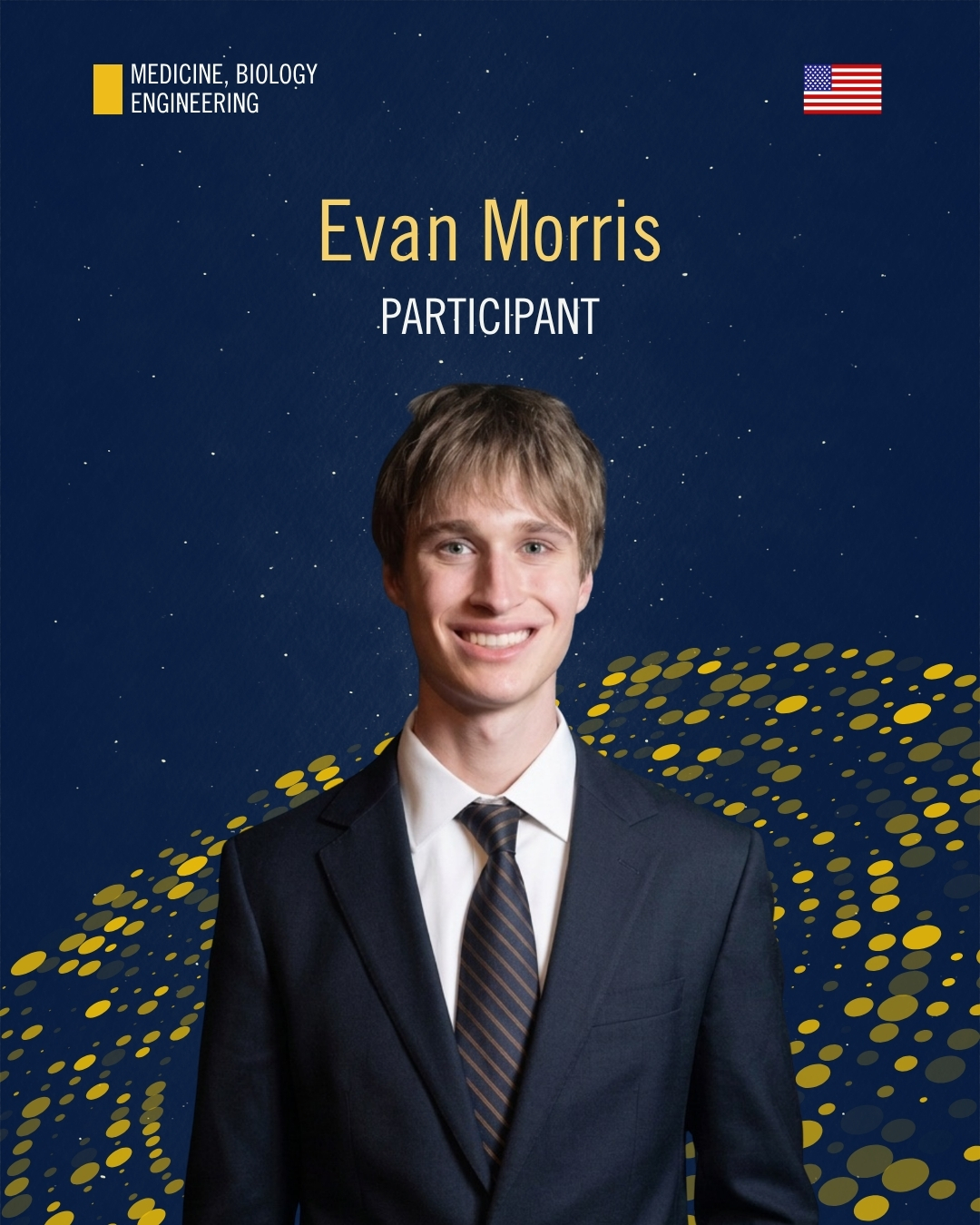
Regeneron ISEF, Society for Science and the Public
Evan’s project, SILENCE, uses ultrasound to activate calming neurons that he genetically engineered to respond to it, automatically detects seizures and maps which stimulation settings work best. Backed by an open-source database, the platform could help optimise brain-stimulation therapies for epilepsy and many other neurological disorders.
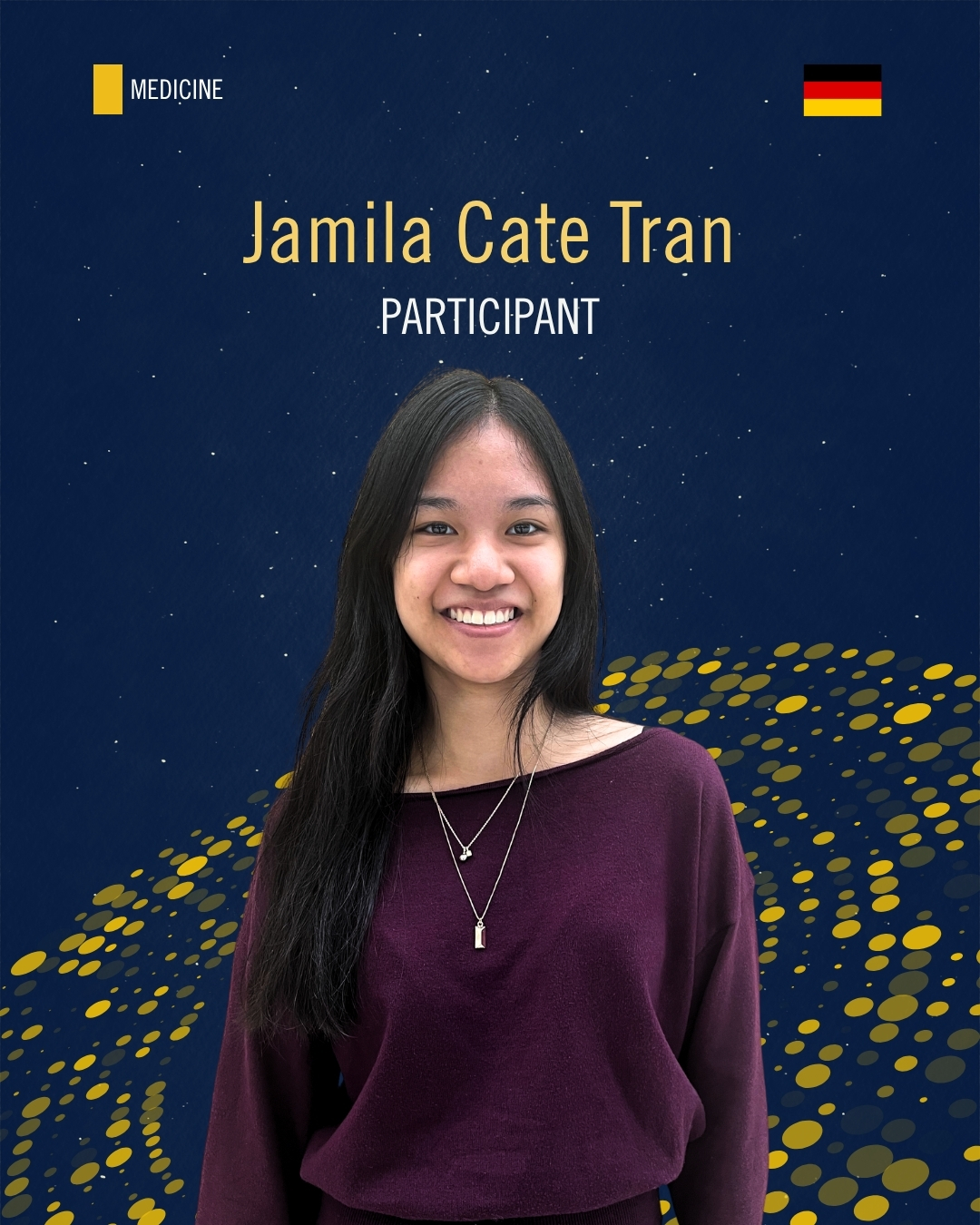
EUCYS, European Comission
Jamila-Cate’s project used a global healthcare network covering over 160 million patients to study SGLT2 inhibitors, originally developed for diabetes, in non-diabetic kidney transplant recipients. Their use was associated with fewer serious kidney-related events and a lower risk of death. These findings could open up new treatment options if confirmed in clinical trials.
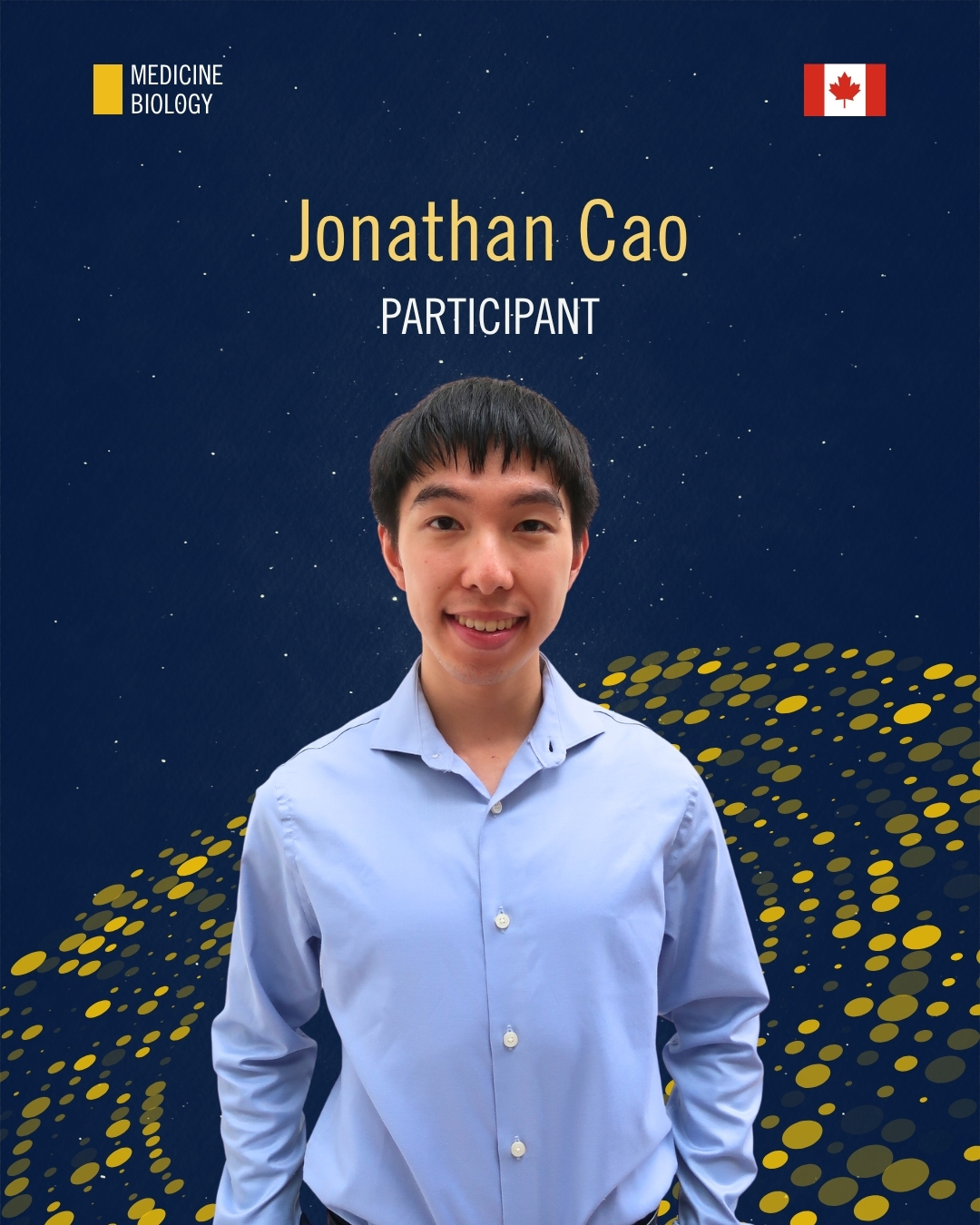
Youth Science Canada
Jonathan’s project developed a non-invasive, safe and scalable way to extract stem cells from urine, sparing patients procedures like bone marrow extraction. By improving existing protocols, the team achieved higher success rates, better culturing times and greater cell numbers, bringing personalised stem cell therapies a step closer.
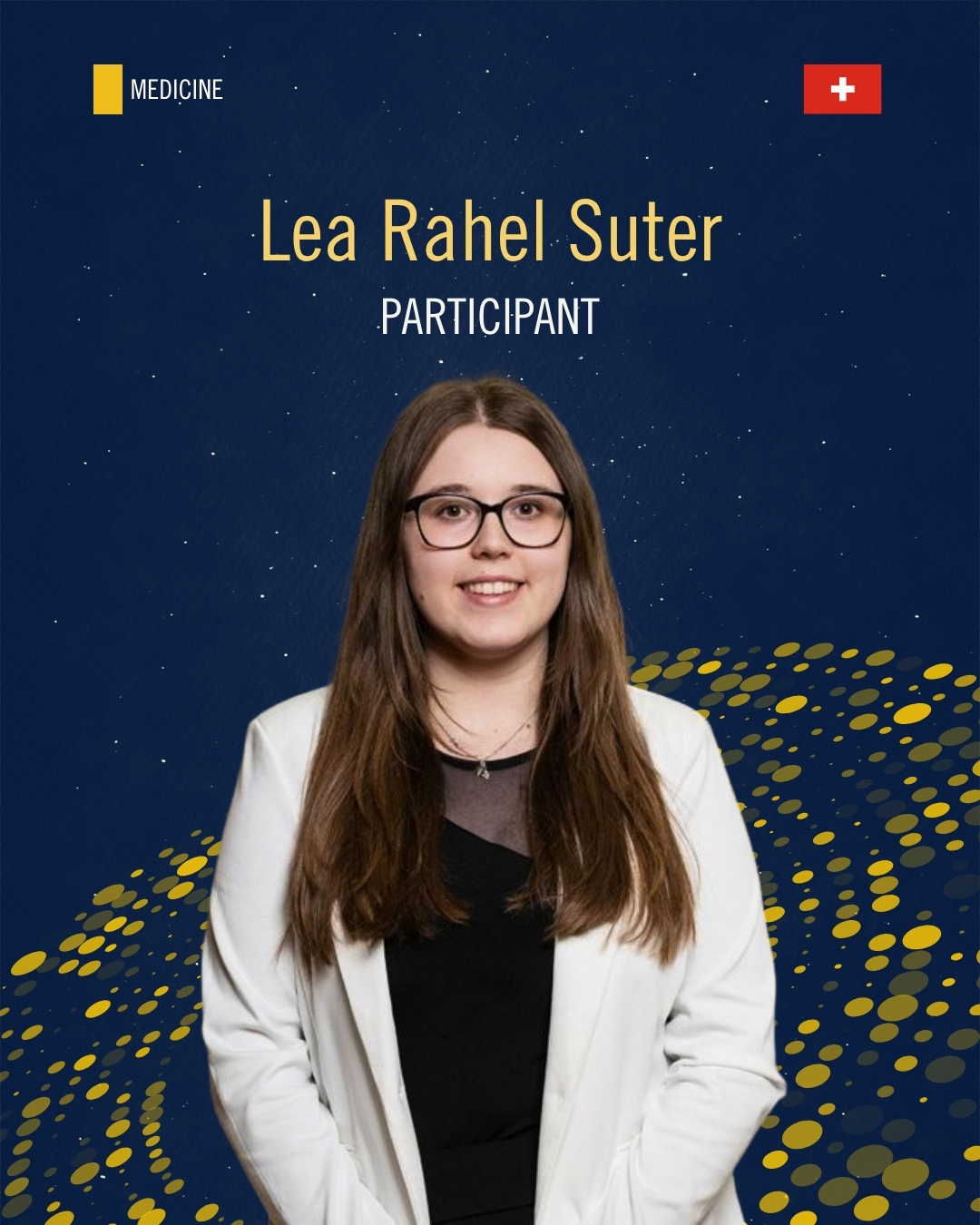
Schweizer Jugend forscht / Swiss Youth Research
Lea’s project surveyed 754 people living with ME/CFS and compared the results with current research and feedback from experts, revealing the challenges patients face around diagnosis, awareness and care. Her goal is to contribute to a better understanding of the disease and support efforts toward earlier diagnosis, improved care, and more effective treatments.
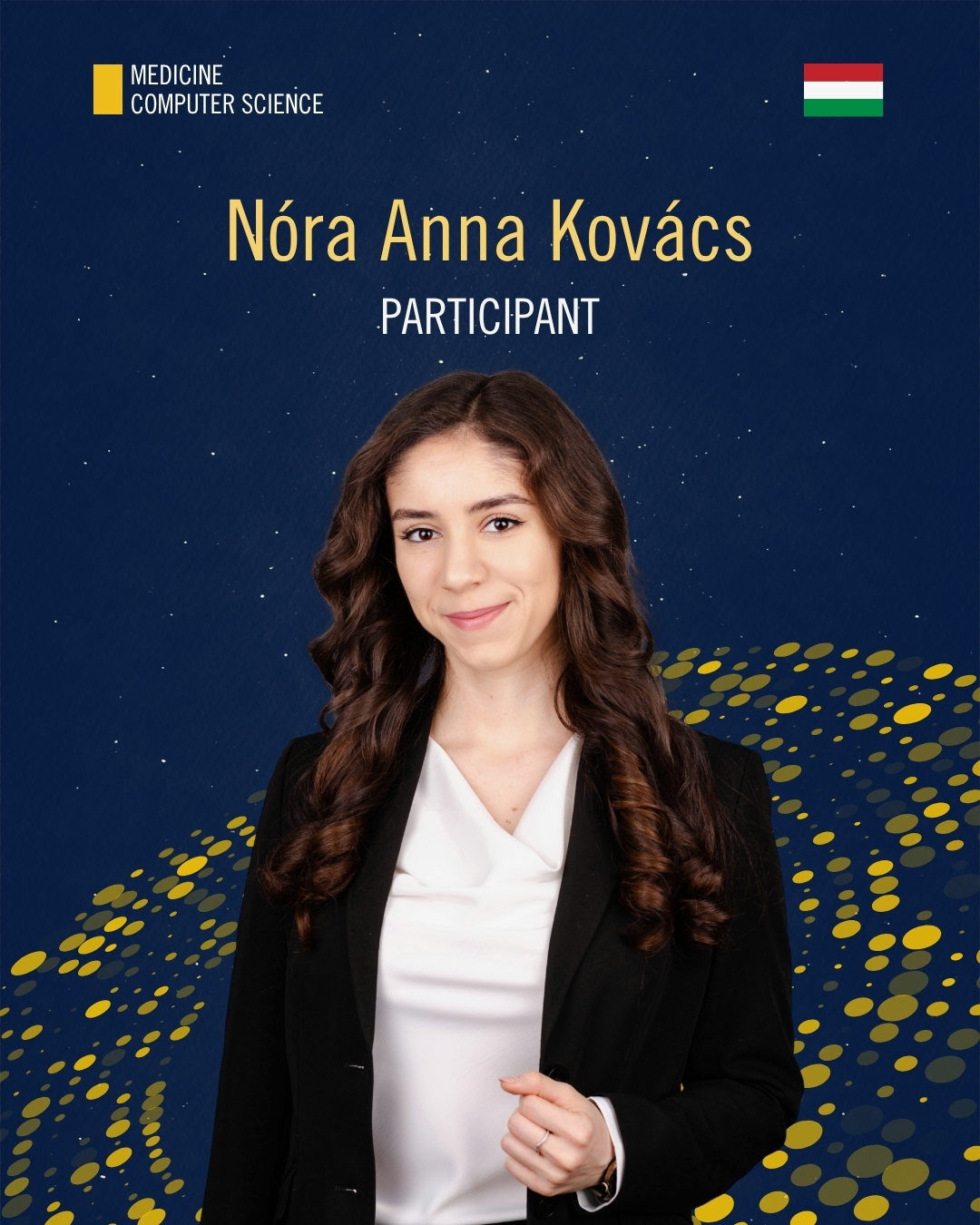
Hungarian Association for Innovation
Nóra’s project combines photon-counting CT with artificial intelligence to make the wall of the aorta – only a few millimetres thick – visible and measurable in 3D. By comparing scans over time, it becomes possible to follow how the wall changes during disease and treatment, where some of the earliest signs of vascular disease appear.
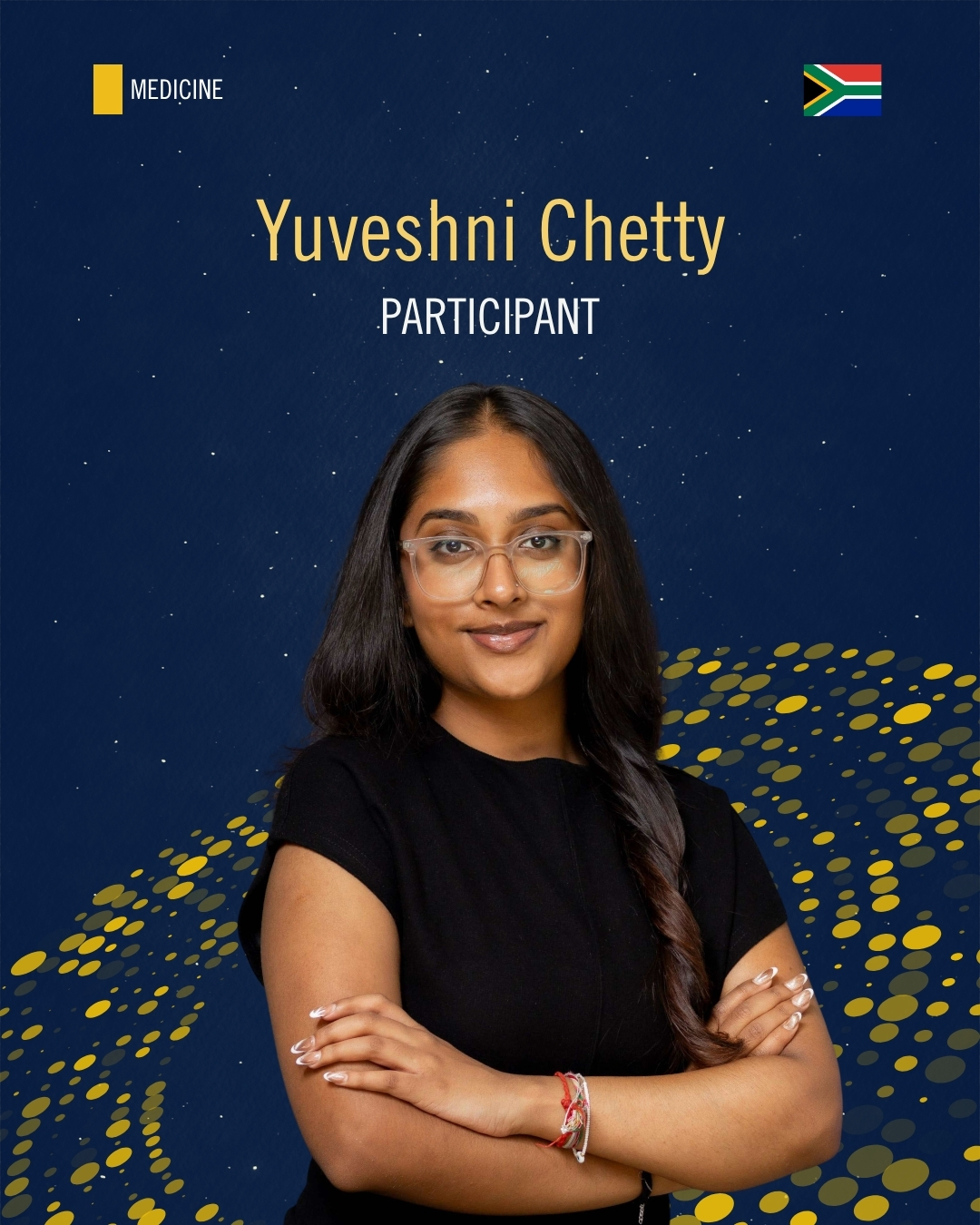
University of Pretoria
Yuveshni’s project used QuPath, a free open-source software, to train a machine-learning tool to recognise blood vessels in tissue from a subtype of pancreatic cancer, and compared its results with a pathologist’s assessments. The work is an early step toward more accessible digital pathology in resource-limited healthcare systems like South Africa’s.
PHYSICS
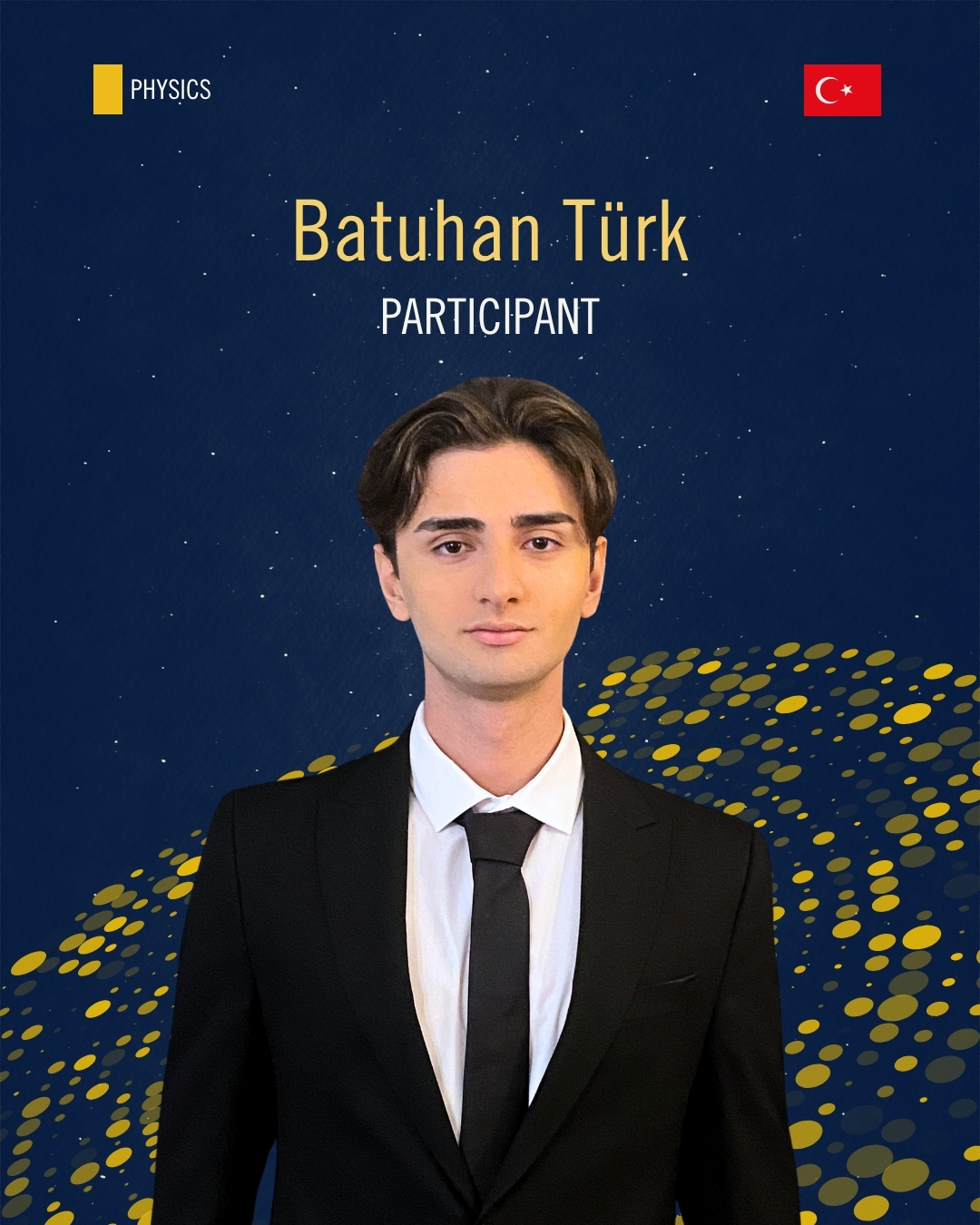
EUCYS, European Comission
Batuhan’s project designs an unmanned electric aircraft that can monitor areas such as wildfires and farmland for hours. Using machine learning to screen 1,000 designs, quantum algorithms in simulation and a self-built wind tunnel, he arrived at a nearly silent aircraft able to monitor an area 100 km away for over four hours.
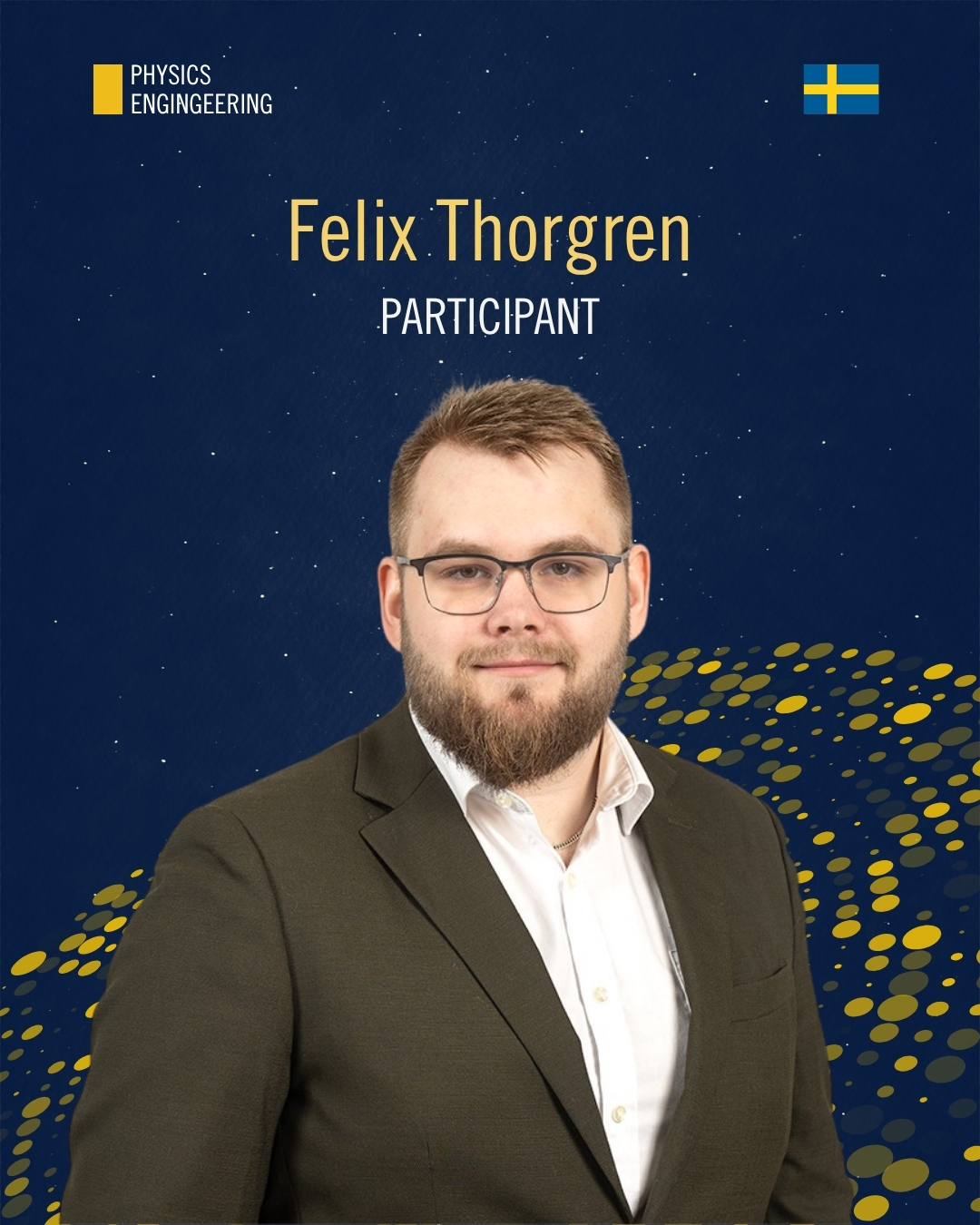
Luleå Tekniska Universitet
Felix’s research investigates how recycled steel differs from conventionally produced steel, since every recycling cycle adds small amounts of residual elements. Combining experiments and computer simulations, he aims to help industry use more recycled steel safely and efficiently without compromising performance.
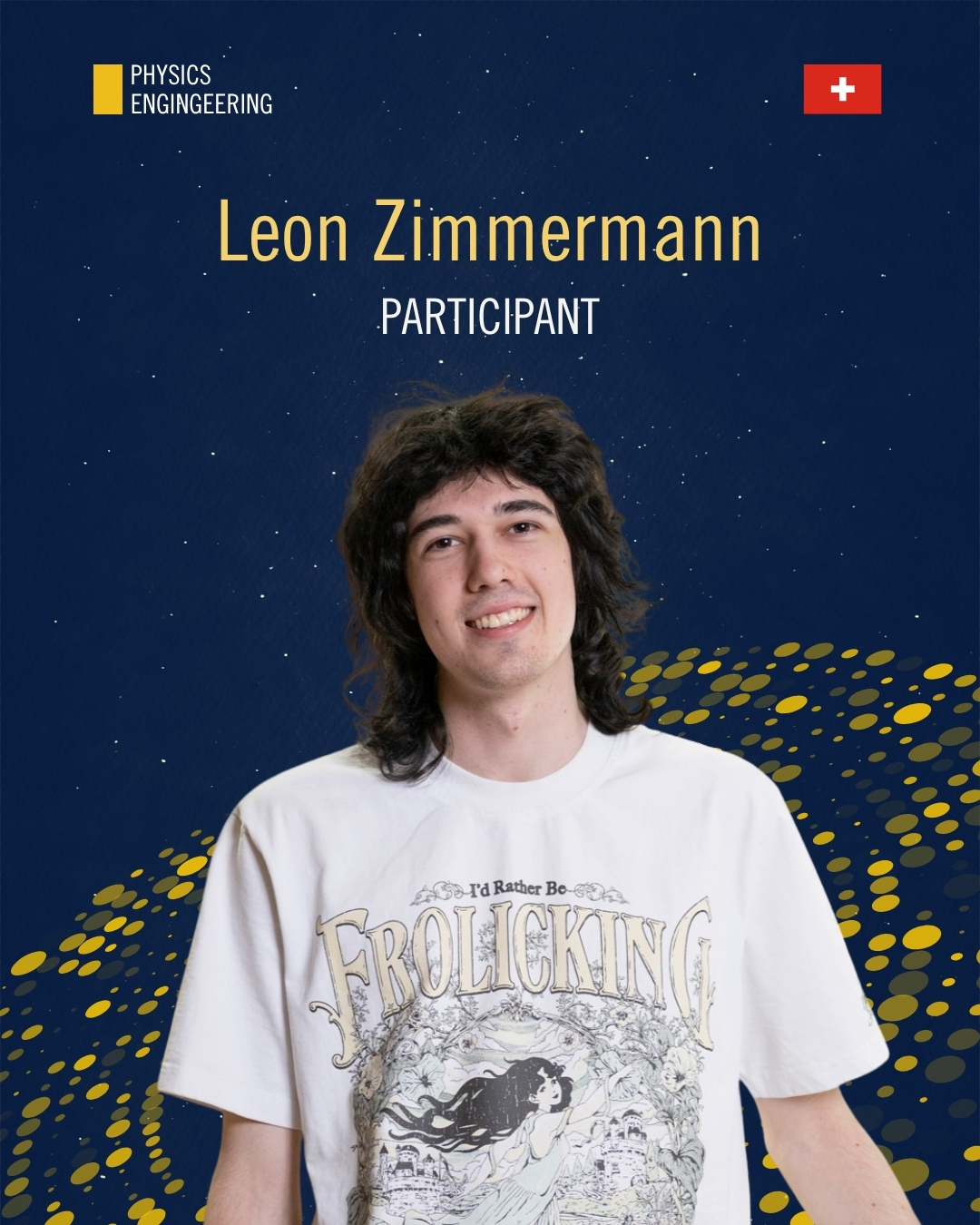
Schweizer Jugend forscht
Leon’s project helped develop a new instrument that measures the length of electron bunches in particle accelerators using an ultra-fast photodiode and RF electronics. Tested with a femtosecond laser, the approach could enable continuous beam monitoring at a fraction of the cost of conventional streak cameras.